How I Mastered Risk in High-End Spending Without Losing My Wealth
You’ve worked hard to reach a lifestyle where luxury feels normal—designer clothes, premium travel, fine dining. But here’s the truth: high-end consumption can quietly erode your wealth if risk isn’t managed. I learned this the hard way. What started as rewarding myself turned into financial stress. In this deep dive, I’ll walk you through how I restructured my approach—not to stop spending, but to spend smarter while protecting my future. This isn’t about austerity or guilt; it’s about clarity, control, and long-term confidence. The goal is not to eliminate luxury, but to make it sustainable, intentional, and aligned with the life you truly want to build.
The Hidden Cost of Living Luxuriously
Luxury, once reserved for the elite, has become more accessible, but its emotional and financial weight remains substantial. For many in the 30–55 age group—particularly women who have built careers, raised families, and now enjoy financial independence—luxury spending often feels like a well-earned reward. It’s a symbol of success, a tangible outcome of years of effort. Yet beneath the surface, unchecked high-end consumption can become a silent threat to long-term financial health. The danger lies not in the purchases themselves, but in the gradual shift of lifestyle expectations. A $500 handbag here, a five-star vacation there—each decision feels isolated, justified, and within reach. But over time, these expenses accumulate, not just in dollars, but in the way they reshape financial habits and priorities.
What often goes unnoticed is the phenomenon known as lifestyle inflation—the tendency for spending to rise in tandem with income. As earnings grow, so do comfort levels with spending, especially on items associated with status, comfort, or self-care. The problem arises when this growth outpaces savings and investment rates. A woman earning $150,000 annually may feel financially secure, yet if her discretionary spending climbs from 20% to 40% of income over a decade, her ability to weather a job loss, medical emergency, or market downturn weakens significantly. Studies show that households in this income bracket often underestimate their dependency on continuous cash flow, assuming stability where none is guaranteed. The emotional payoff of luxury—feeling seen, valued, or in control—can mask the underlying risk of reduced financial flexibility.
Early warning signs are subtle but telling. A growing reliance on credit cards for routine luxury purchases, a shrinking emergency fund, or the habit of delaying retirement contributions to cover lifestyle costs—all point to a system under strain. These behaviors are not inherently irresponsible, but they reflect a lack of structured oversight. The key is not to judge spending, but to recognize when it begins to compromise resilience. For example, a spontaneous weekend getaway may bring joy, but if it consistently draws from a retirement account or requires revolving credit card debt, it becomes a risk multiplier. The shift from mindful indulgence to habitual overextension is rarely dramatic; it happens in small, rationalized choices that, over time, erode the foundation of wealth.
Why Risk Management Isn’t Just for Investors
Risk management is often associated with stock portfolios, retirement accounts, or real estate investments—domains that feel separate from daily spending. But the reality is that every financial decision, including how one spends on luxury, carries risk. A woman who diligently diversifies her investments but ignores the volatility of her lifestyle expenses is only managing half the equation. Unprotected luxury spending can be just as damaging as an undiversified portfolio, especially during periods of economic uncertainty or personal disruption. Consider two individuals with similar incomes and net worth: one maintains a consistent savings rate and limits discretionary spending to 15% of income, while the other spends freely on high-end items, dining, and travel, keeping only 5% for savings. On paper, both appear successful. But when a recession hits or a career transition occurs, their outcomes diverge sharply. The first has a buffer; the second faces difficult trade-offs, often forced to sell assets at a loss or take on debt.
The misconception that risk only applies to investments stems from a narrow view of financial health. True financial security is not just about asset growth, but about cash flow stability and expense predictability. High-end spending, by its nature, introduces variability. A sudden drop in income—due to reduced hours, a career break, or market-related pay cuts—can make fixed luxury commitments, such as private school tuition, premium subscriptions, or maintenance on a second home, difficult to sustain. Unlike investments, which can be adjusted over time, lifestyle habits are often harder to reverse. Social expectations, personal identity, and even family routines can become tied to a certain standard of living, making downscaling emotionally and practically challenging.
Moreover, the psychological comfort derived from luxury can create a false sense of security. Owning designer items or staying in five-star hotels may signal success, but they do not provide financial protection. In fact, luxury assets often depreciate quickly—handbags lose value the moment they leave the store, and high-end electronics become outdated within years. This contrasts sharply with financial assets that appreciate or generate income. The risk, therefore, is not just in spending too much, but in confusing consumption with wealth. A home filled with luxury goods does not equate to a secure future. The solution lies in treating spending decisions with the same rigor as investment choices—evaluating their long-term impact, assessing alternatives, and setting boundaries based on realistic scenarios, not idealized ones.
Building Your Financial Guardrails
To enjoy luxury without jeopardizing financial stability, it’s essential to establish clear guardrails. These are not rigid restrictions, but thoughtful frameworks that allow for enjoyment while preserving long-term security. The first step is assessing personal risk tolerance—not just in terms of market volatility, but in lifestyle sustainability. This involves asking honest questions: How much income fluctuation can I withstand? What would happen if my earnings dropped by 30%? How long could I maintain my current lifestyle without additional income? These scenarios help identify the gap between present comfort and future vulnerability. For women in midlife, this assessment is especially critical, as many are balancing peak earning years with growing responsibilities—supporting children, caring for aging parents, and planning for retirement.
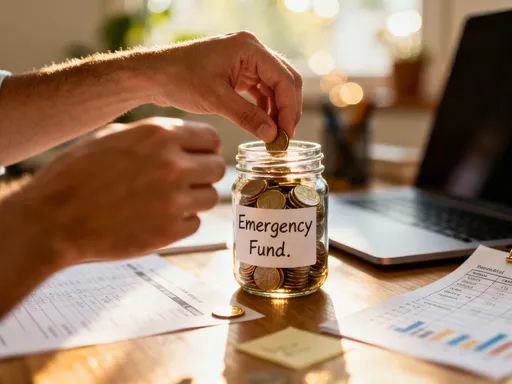
One effective approach is the “buffer-first” strategy. Before allocating funds to luxury spending, ensure that foundational financial elements are in place. This includes maintaining an emergency fund covering six to twelve months of essential expenses, having adequate insurance (health, disability, life), and contributing consistently to retirement accounts. These buffers act as shock absorbers, allowing flexibility during unexpected events. Once these are secured, a percentage-based rule can guide discretionary spending. For example, limiting luxury expenses to 10–15% of after-tax income ensures that enjoyment does not come at the cost of long-term goals. This rule is not arbitrary; it reflects research showing that households maintaining a savings rate above 20% are significantly more resilient to economic shocks.
Another key principle is aligning spending with values. Not all luxury is equal in terms of personal satisfaction. A woman who loves art may derive deep joy from acquiring a high-quality painting, while another may find greater fulfillment in travel experiences. By identifying what truly matters, spending becomes more intentional and less reactive. This reduces the temptation to follow trends or social pressures, which often lead to purchases with low emotional return. Additionally, treating assets as protective tools—rather than just symbols of success—shifts the mindset from consumption to stewardship. Real estate, investment accounts, and even high-value personal property should be viewed as part of a broader financial ecosystem, one that supports freedom, choice, and peace of mind.
The Smart Way to Enjoy Luxury
Smart luxury is not about denying pleasure, but about maximizing it through selectivity. The goal is to identify high-impact luxuries—those that deliver lasting satisfaction—and minimize low-value ones that provide only fleeting gratification. This requires a shift from impulse to intention. For example, investing in timeless, high-quality clothing that lasts for years offers greater value than frequently buying trendy items that go out of style quickly. Similarly, choosing travel experiences that create enduring memories—such as a family reunion in a meaningful location—often brings more joy than a series of short, extravagant trips with diminishing returns.
One useful framework is the “joy-per-dollar” ratio. Before making a luxury purchase, consider how much long-term happiness it will bring relative to its cost. A $3,000 watch may seem extravagant, but if it’s worn daily for a decade and holds sentimental value, its cost per use becomes minimal. In contrast, a $500 dress worn once may feel justified in the moment but contributes little to lasting well-being. This approach encourages mindful evaluation rather than emotional decision-making. It also helps distinguish between wants driven by external validation—such as social media trends or peer comparison—and those rooted in personal values.
Another strategy is the concept of “curated indulgence.” Instead of eliminating luxury, create a deliberate plan for when and how to enjoy it. This might mean setting an annual budget for fine dining, scheduling one major trip per year, or allocating funds for a special purchase every few months. By planning in advance, spending becomes a choice rather than a reaction. It also reduces decision fatigue and the guilt that often follows unplanned purchases. Over time, this method leads to greater satisfaction, as each luxury experience is anticipated and appreciated more fully. The result is not less enjoyment, but more meaningful enjoyment—achieved with greater control and less financial strain.
Tools That Keep You Accountable
Even with the best intentions, maintaining financial discipline requires structure and support. Fortunately, modern tools make it easier than ever to track spending, set limits, and stay aligned with goals. Budgeting apps such as Mint, YNAB (You Need A Budget), or Personal Capital allow users to categorize expenses, monitor luxury spending in real time, and receive alerts when approaching monthly limits. These platforms integrate with bank accounts and credit cards, providing a clear, up-to-date picture of financial behavior. For women managing household finances, this transparency can be empowering, helping to identify patterns and make informed adjustments.
Beyond technology, behavioral techniques play a crucial role in accountability. The “24-hour rule” is a simple but effective practice: before making any luxury purchase above a certain threshold—say, $300—wait one full day. This pause creates space for reflection, reducing the influence of emotion or impulse. Many find that after 24 hours, the desire to buy fades, revealing whether the purchase was truly necessary or merely reactive. Similarly, scheduling regular financial check-ins—monthly or quarterly—helps maintain awareness and course-correct as needed. These reviews can be done independently or with a trusted partner, financial advisor, or close friend who shares similar values.
Another powerful tool is visualization. Creating a clear picture of long-term goals—whether it’s funding a child’s education, achieving early retirement, or maintaining independence in later years—makes the cost of unchecked spending more tangible. When a luxury purchase is weighed against a specific goal, the trade-off becomes clearer. For example, spending $5,000 on a vacation might mean delaying retirement by six months. Seeing this connection fosters more intentional decisions. Over time, these tools and habits become second nature, transforming financial management from a chore into a source of confidence and control.
When to Scale Back—And When It’s Safe to Splurge
Financial wisdom is not static; it must adapt to life’s changing circumstances. Knowing when to scale back and when to indulge is a critical skill in maintaining balance. Certain indicators suggest it’s time to tighten spending: increased market volatility, job insecurity, rising healthcare costs, or major life transitions such as divorce or caring for an aging parent. During these periods, preserving capital and maintaining liquidity should take priority over discretionary spending. This doesn’t mean eliminating luxury entirely, but rather shifting to lower-cost alternatives—choosing a staycation over international travel, or hosting a dinner at home instead of dining out.
Conversely, there are moments when splurging is not only safe but appropriate. Receiving a bonus, selling an asset at a profit, or reaching a major milestone—such as paying off a mortgage or launching a child into independence—can justify a meaningful indulgence. The key is ensuring that such spending comes from surplus, not from core savings or future funds. A well-timed splurge can serve as a celebration of achievement and a reinforcement of financial discipline. It becomes part of a healthy cycle: work, save, protect, then enjoy.
The distinction between temporary highs and sustainable wealth is crucial. A single windfall does not change long-term financial status. True wealth is measured not by occasional spending power, but by consistent security and optionality. Therefore, even during prosperous times, it’s wise to maintain core guardrails—such as emergency funds and retirement contributions—while allowing for measured enjoyment. This balanced approach ensures that luxury remains a reward, not a risk.
Long-Term Wealth vs. Short-Term Pleasure: Finding Balance
The journey to financial well-being is not about choosing between joy and security, but about integrating them. True empowerment comes from making conscious choices that honor both present happiness and future stability. Luxury, when approached with intention and discipline, can be a natural part of a rich, fulfilling life—not a threat to it. The women who achieve lasting financial confidence are not those who avoid spending, but those who understand its role within a broader strategy. They recognize that wealth is not just a number in an account, but the freedom to live with purpose, resilience, and peace of mind.
Managing risk in high-end spending is not about limitation; it’s about liberation. It allows one to enjoy the fruits of success without fear of loss, to travel, dine, and dress with confidence, knowing that the foundation remains strong. By building guardrails, using tools, and aligning spending with values, luxury becomes sustainable rather than sacrificial. The goal is not perfection, but progress—a steady movement toward a life where both today and tomorrow are honored. In this balance lies the true definition of financial freedom: the ability to live fully now, while securing the future with quiet confidence.