How I Protected My Money When Life Blew Up – Real Talk on Staying Financially Safe
Accidents happen fast — one minute you're fine, the next you're drowning in bills and stress. I learned this the hard way when an unexpected crisis hit. My savings tanked, my plans crumbled, and I felt totally unprepared. But over time, I figured out simple, practical ways to protect what I’ve built. This is not about getting rich — it’s about keeping what you have when everything goes sideways. Financial safety isn’t just for people with six-figure incomes or stock portfolios. It’s for anyone who works hard, saves carefully, and wants to avoid starting over after a setback. What I discovered wasn’t complicated, but it was life-changing: preparation, clarity, and small consistent choices can shield your finances when life feels anything but stable.
The Wake-Up Call: When My World Crashed (And My Wallet Did Too)
It started with a fall. Nothing dramatic — just a misstep on wet kitchen tiles. But that single moment changed everything. A fractured ankle turned into weeks off work, mounting medical bills, and a slow, frustrating recovery. I wasn’t a high earner, but I was steady. I paid my bills on time, had a small savings account, and believed I was doing ‘enough.’ Then the checks stopped coming, and the expenses started piling up. Insurance covered part of the medical costs, but not all. Physical therapy wasn’t fully included. Lost wages weren’t covered at all. Within two months, my savings were gone. I dipped into a credit card for groceries, then another for car repairs when I finally needed to drive again. The stress wasn’t just physical — it was financial, emotional, and deeply personal. I had worked hard for years, and in less than 90 days, I felt like I had lost control of everything.
What made it worse was the silence. No one had warned me. No one said, ‘What if you can’t work for six weeks?’ or ‘Do you have a plan if an injury cuts your income?’ Friends nodded sympathetically but offered no real help. My employer was understanding but couldn’t pay me while I was out. I realized something important: financial stability isn’t just about earning and saving. It’s about what happens when earning stops. That moment of stillness — lying on the couch, unable to walk, staring at overdue bills — was my wake-up call. I had been building a house on sand. One wave, and it washed away. But instead of giving up, I decided to rebuild — this time on solid ground. I began asking different questions. Not just ‘How do I save more?’ but ‘How do I protect what I already have?’ That shift in mindset changed everything.
Asset Preservation: Why It’s Not Just for the Rich
Most financial advice focuses on growth: how to invest, how to earn more, how to build wealth. But for many people — especially those in their 30s, 40s, and 50s managing households, mortgages, and aging parents — the real priority isn’t growth. It’s protection. Asset preservation means keeping what you’ve already earned and saved. It’s not about doubling your money in the stock market. It’s about making sure a sudden event doesn’t wipe out years of careful budgeting and hard work. This concept is often overlooked because it’s not flashy. You won’t see headlines about ‘The Quiet Power of Not Losing Money.’ But ask anyone who’s survived a crisis, and they’ll tell you: protecting your assets is the foundation of financial peace.
Think of your finances like a home. Investing is like adding a new room or renovating the kitchen — it increases value over time. But asset preservation is the roof, the foundation, the fire alarms. Without them, even the most beautiful home can be destroyed by a storm. For everyday earners, asset preservation includes safeguarding income, maintaining access to emergency funds, protecting property from unexpected claims, and preserving credit health. These aren’t luxuries. They’re necessities. Consider this: a single uninsured medical event can cost tens of thousands of dollars. A car accident without proper coverage can lead to lawsuits. A sudden job loss without savings can force high-interest borrowing. These aren’t worst-case scenarios — they’re common experiences for millions of people every year.
One of the biggest misconceptions is that asset preservation is only for the wealthy. But that’s not true. In fact, people with moderate incomes often have the most to lose. When you’re living paycheck to paycheck, even a small disruption can trigger a chain reaction. Missed bills lead to late fees, which hurt credit, which increases loan costs, which makes recovery harder. Asset preservation isn’t about having a million dollars. It’s about having systems in place that prevent a $500 emergency from becoming a $5,000 problem. It’s about knowing that if something goes wrong, you won’t lose everything you’ve worked for. This isn’t pessimism — it’s realism. And it’s the first step toward real financial confidence.
Build Your Financial Shock Absorbers (Before the Crash)
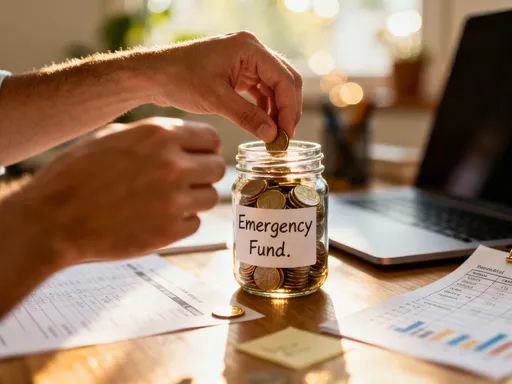
Just as cars have shock absorbers to handle bumps in the road, your finances need their own buffers to handle life’s unexpected turns. These aren’t complicated tools, but they are essential. The most important is the emergency fund — a dedicated pool of cash set aside for true emergencies. This isn’t for vacations or shopping sprees. It’s for moments when income stops or unexpected costs arise. Financial experts often recommend three to six months’ worth of living expenses, but even a smaller amount — say, $1,000 to $2,000 — can make a difference. The key is accessibility. This money should be in a separate savings account, easy to reach but not so easy that you’re tempted to spend it. Think of it as a financial airbag — you hope you never need it, but you’re glad it’s there when you do.
Next is insurance — not just health insurance, but disability, property, and liability coverage. Health insurance is widely understood, but disability insurance is often overlooked. Yet it may be the most important for income protection. If you can’t work due to illness or injury, disability insurance replaces a portion of your income. Without it, a medical crisis can become a financial one. Property insurance protects your home and belongings from fire, theft, or natural disasters. Liability coverage can shield you from legal costs if someone is injured on your property. These policies aren’t about predicting disaster — they’re about managing risk. You don’t buy car insurance because you plan to crash. You buy it because accidents happen. The same logic applies to financial protection.
Legal documents are another critical layer. A will ensures your assets go to the right people. A durable power of attorney allows someone you trust to manage your finances if you’re unable to. An advance healthcare directive outlines your medical wishes. These may seem like formalities, but in a crisis, they prevent confusion, delays, and family disputes. They also protect your financial decisions when you can’t make them yourself. Together, these tools — emergency funds, insurance, and legal documents — form a system of financial shock absorbers. They don’t prevent life from going off track, but they keep the damage contained. The best time to put them in place is before you need them. Waiting until a crisis hits is like trying to build a roof during a rainstorm — possible, but much harder and less effective.
The Hidden Traps: What No One Tells You About Post-Accident Finances
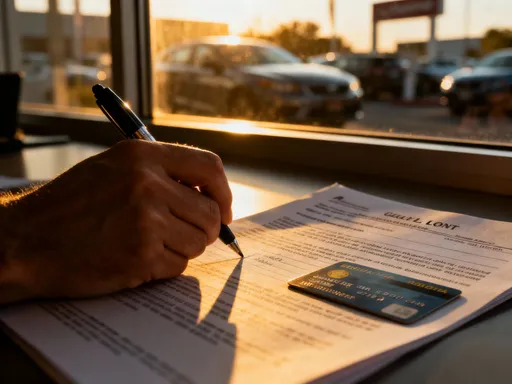
When a crisis hits, the instinct is to act fast — to fix things, to stop the bleeding. But in that rush, people often make financial decisions that cause long-term harm. One of the most common mistakes is tapping into retirement accounts. It may seem like a quick solution, but early withdrawals come with penalties and taxes. More importantly, they rob your future self of compounded growth. Taking $10,000 out at age 45 could mean losing $50,000 or more in retirement savings over time. Another trap is maxing out credit cards. When cash is tight, it’s tempting to swipe for everyday expenses. But high interest rates can turn a short-term fix into years of debt. Minimum payments stretch out the cost, and credit utilization ratios can drop your credit score, making future borrowing more expensive.
Then there are settlement offers. After an accident, especially one involving another party, you might receive a quick payout offer from an insurance company. It may seem like a relief — a check to cover bills and move on. But these offers are often lowball estimates that don’t account for long-term costs like ongoing therapy, lost earning potential, or future medical needs. Accepting them can mean signing away your right to seek more later. Many people do it out of stress or lack of information, not realizing they could have negotiated better terms or consulted a professional. Another hidden trap is ignoring communication with lenders or service providers. When you’re overwhelmed, it’s easy to avoid phone calls or bills. But silence can lead to defaults, collections, and damaged credit. The better approach is to reach out early, explain your situation, and ask for temporary relief like payment plans or forbearance.
Emotional spending is another risk. After a traumatic event, some people turn to shopping, eating out, or other small luxuries as a way to regain control or feel better. While self-care is important, unchecked spending can drain emergency funds meant for real needs. The key is awareness. Recognize that stress affects judgment. Pause before making financial decisions. Ask: Is this necessary? What are the long-term consequences? Could I wait 24 hours and reconsider? These aren’t signs of weakness — they’re signs of wisdom. Avoiding these traps isn’t about being perfect. It’s about being informed. A little knowledge can prevent a short-term crisis from becoming a long-term financial setback.
Smart Moves During the Chaos: How to Think Clearly When Everything’s Falling
When everything feels out of control, the most powerful tool you have is your mindset. Panic leads to poor choices. Clarity leads to better outcomes. The first step is to pause. Take a breath. Acknowledge the stress, but don’t let it drive your decisions. Create a mental checklist: What do I need right now? What can wait? Who can help? This simple act of slowing down can prevent rash actions like closing accounts, selling investments at a loss, or agreeing to unfavorable terms. Next, prioritize. Focus on essentials: housing, food, utilities, medical care. Put everything else on hold. If you’re facing a temporary income loss, contact your mortgage lender, landlord, or utility companies to discuss options. Many offer hardship programs, but you have to ask.
Communication is critical. Talk to your bank, your insurer, your employer. Be honest about your situation. Most institutions have protocols for people in crisis. Your health insurer may help you appeal denied claims. Your employer might allow a leave of absence or flexible schedule. Your bank may offer temporary fee waivers or loan modifications. But they can’t help if they don’t know. Prepare what you’ll say: be clear, calm, and specific. For example, instead of saying, ‘I can’t pay,’ try, ‘I’ve had a medical emergency and need three months of payment relief. What options do you offer?’ Scripts like this reduce anxiety and increase the chances of a positive response. Keep records of every conversation — names, dates, promises made. This protects you and builds a paper trail if disputes arise.
Another smart move is to designate a financial point person — a trusted friend or family member who can help manage calls, bills, or paperwork if you’re too overwhelmed. This isn’t about losing control. It’s about sharing the load. In times of crisis, even small tasks like opening mail or making phone calls can feel overwhelming. Having someone assist can prevent missed deadlines or overlooked details. Finally, protect your mental space. Limit news consumption. Avoid financial doom-scrolling. Set boundaries with well-meaning but unhelpful advice. Focus on what you can control: one decision at a time, one day at a time. This isn’t about fixing everything at once. It’s about staying steady, making thoughtful choices, and avoiding actions that could make recovery harder. Clarity isn’t the absence of stress — it’s the ability to act despite it.
Rebuilding Differently: Making Your Finances More Resilient
After the immediate crisis passes, the natural impulse is to return to normal. But ‘normal’ may have been part of the problem. Rebuilding is an opportunity to create a more resilient financial life — not just recovering, but improving. Start by reviewing what happened. Where did your system fail? Was the emergency fund too small? Was insurance inadequate? Did you lack legal documents? Be honest, but not harsh. This isn’t about blame. It’s about learning. Use this insight to update your financial plan. Increase your emergency fund, even if it’s by $25 a month. Review your insurance policies — do they cover disability? Is your coverage level still appropriate for your current life stage?
Adjust your budget to reflect new realities. If medical costs are ongoing, build them into your monthly expenses. If income is lower, find ways to reduce spending without sacrificing essentials. Look for small, sustainable changes: switching to a cheaper phone plan, refinancing high-interest debt, or cooking more at home. These aren’t drastic cuts — they’re intentional choices that free up cash for protection. Consider automating savings. Even $50 a month set aside automatically can grow over time and reduce the temptation to skip contributions. Resilience isn’t built overnight. It’s the result of consistent, small actions that add up.
Another key step is updating legal and financial documents. If you didn’t have a will or power of attorney before, now is the time to create them. If you did, review them — life changes like marriage, divorce, or children may require updates. Talk to a financial advisor or estate planner if needed. These professionals can help you see gaps you might miss on your own. Finally, shift your mindset from reactive to proactive. Instead of waiting for the next crisis, take control now. Schedule an annual financial check-up, just like a doctor’s visit. Review accounts, update beneficiaries, test your emergency plan. This isn’t about fear. It’s about empowerment. Each step you take strengthens your foundation. You’re not trying to predict every disaster. You’re building a system that can withstand the ones you don’t see coming.
The Real Bottom Line: Peace of Mind Over Perfection
Financial security isn’t about having a perfect plan or never making a mistake. It’s about being prepared enough to handle life’s surprises without falling apart. The goal isn’t to eliminate risk — that’s impossible. It’s to reduce the damage when risks become realities. Asset preservation isn’t exciting. It doesn’t promise overnight riches or viral success stories. But when a crisis hits, it’s the quiet backbone of your financial life. It’s the reason you can sleep at night, even when the world feels unstable. It’s the difference between saying, ‘I don’t know how I’ll manage,’ and ‘I’ve got this covered.’
You don’t need to be wealthy to protect your finances. You don’t need a finance degree or a stock portfolio. You need a few smart, practical steps taken consistently over time. Build an emergency fund, even if it starts small. Get the right insurance. Put legal documents in place. Avoid common post-crisis traps. Communicate clearly when under pressure. Learn from setbacks and rebuild stronger. These aren’t grand gestures — they’re daily choices that add up to real security. The most powerful financial tool isn’t a high-yield account or a hot stock tip. It’s peace of mind. And that begins with knowing you’ve done what you can to protect what matters most. You may not control what happens, but you can control how ready you are. Start today — not because disaster is coming, but because you deserve to feel safe, no matter what life brings.