How I Mastered the Investment Cycle While Planning Our Wedding
Planning a wedding is exciting—but sneaky expensive. I learned the hard way that without a smart financial strategy, dreams can turn into debt. Instead of just cutting costs, I used the investment cycle to grow money while preparing for our big day. It wasn’t about getting rich quick; it was about making every dollar work. We didn’t want to start our marriage burdened by credit card balances or loans taken in a moment of celebration. So, we shifted our mindset: the wedding wasn’t just a one-day event, but a financial milestone. By aligning our savings and investment habits with our timeline, we protected our future while honoring the present. This is the story of how we turned emotional spending into disciplined growth—and how you can do the same, no matter your budget or timeline.
The Hidden Cost of “I Do” – Why Wedding Planning Needs a Financial Backbone
Weddings are among the most joyful events in life, yet they are also one of the most financially vulnerable moments for couples. The average cost of a wedding in many developed countries ranges from $20,000 to over $30,000, and in some regions, it can climb even higher. While this figure might seem like a one-time expense, its impact often lingers for years, especially when financed through high-interest credit cards or personal loans. What begins as a celebration can quickly spiral into long-term debt, affecting decisions about housing, travel, or even starting a family. The emotional weight of wanting everything to be “perfect” often overrides rational budgeting, leading couples to overspend on elements that provide fleeting satisfaction—like elaborate floral arrangements or premium venue upgrades—while neglecting foundational financial health.
What many fail to recognize is that a wedding is not just a social event; it is a financial decision point. The choices made during planning can either strengthen or weaken a couple’s long-term economic stability. Without a clear financial backbone, the pressure to meet social expectations—hosting large guest lists, serving gourmet meals, or gifting luxury favors—can lead to reactive spending rather than intentional planning. This is where the investment cycle becomes essential. Instead of viewing wedding funds as money to be spent, it can be seen as capital to be managed. By applying disciplined financial principles early, couples can protect their future while still honoring their present celebration. The goal is not austerity, but alignment—ensuring that short-term joy does not come at the expense of long-term security.
Moreover, financial stress is one of the leading causes of conflict in relationships, and wedding planning often intensifies this strain. Disagreements about spending, budget priorities, or debt responsibility can create tension even before the marriage begins. A proactive approach that includes shared financial goals, transparent communication, and a structured plan helps mitigate these risks. When both partners understand where the money is going and how it’s being protected, trust deepens. The wedding then becomes not just a symbol of love, but a demonstration of partnership in action. By treating this milestone with the same strategic care as buying a home or saving for retirement, couples lay the groundwork for a more resilient financial future.
What Is the Investment Cycle – And Why It Fits Perfectly Into Life Planning
The investment cycle is a structured approach to managing money that moves through four key phases: saving, allocating, growing, and protecting. Unlike speculative investing that seeks rapid gains, this cycle emphasizes consistency, discipline, and long-term vision. Each phase serves a distinct purpose and builds upon the previous one, creating a rhythm that aligns naturally with major life events like weddings, home purchases, or education planning. The beauty of the investment cycle lies in its adaptability—it doesn’t require large sums of money or advanced financial knowledge. What it does require is intentionality and time. By understanding how money evolves through these stages, individuals and couples can make informed decisions that support both immediate goals and future aspirations.
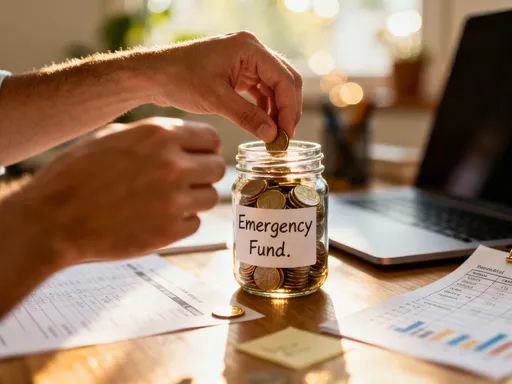
The first phase, saving, is about setting aside funds with a clear purpose. This isn’t random accumulation; it’s deliberate and goal-oriented. For a wedding, this means establishing a dedicated account or fund where contributions are made regularly, whether weekly or monthly. The second phase, allocating, involves deciding how those savings will be used—both for the event itself and for investment growth. Not all money needs to sit idle in a savings account earning minimal interest. A portion can be strategically placed in low-risk instruments that offer modest returns over time, such as high-yield savings accounts, certificates of deposit, or conservative mutual funds. This step ensures that money works even before it’s spent.
The third phase, growing, focuses on allowing invested funds to compound over time. Even a modest return of 3% to 5% annually can make a meaningful difference when given enough time. For example, investing $200 per month for two years at a 4% annual return yields over $5,000—more than the sum of contributions due to compounding interest. This phase thrives on patience and consistency, not market timing or aggressive risk-taking. The final phase, protecting, is about safeguarding gains against unexpected setbacks. This includes maintaining emergency reserves, avoiding high-interest debt, and ensuring that investment choices match risk tolerance. Together, these phases form a complete cycle that transforms passive saving into active wealth-building.
What makes the investment cycle especially relevant to life planning is its rhythm. Just as life unfolds in stages—engagement, marriage, parenthood, retirement—so too can financial decisions follow a natural progression. A wedding is not an isolated expense but a waypoint in a longer journey. By framing it within the investment cycle, couples shift from viewing money as something to be spent to something to be nurtured. It becomes less about cutting corners and more about making smarter choices. This mindset doesn’t diminish the joy of celebration; it enhances it by removing the shadow of financial regret. When the big day arrives, the couple isn’t just exchanging vows—they’re affirming a shared commitment to financial responsibility.
Starting Early: How We Built a Growth Timeline Without Sacrificing Joy
Timing is one of the most powerful tools in personal finance, and we realized early that starting our wedding fund ahead of time gave us a significant advantage. We began saving the moment we got engaged—nearly 18 months before the wedding date. That window allowed us to contribute consistently without straining our monthly budget. Instead of waiting until a few months before the event and facing a rush of expenses, we spread the cost over time. More importantly, it gave our money time to grow. Even modest returns compound meaningfully when given space to breathe. By investing a portion of our savings in low-volatility instruments, we earned interest that offset some of the costs, effectively reducing the net expense of the wedding.
Our approach was simple: we set a total target based on our desired guest count, venue style, and photography needs, then broke it down into monthly contributions. We opened a separate high-yield savings account and automated transfers so that each paycheck contributed directly to the fund. This removed the temptation to redirect the money elsewhere. At the same time, we didn’t deprive ourselves of the engagement experience. We still celebrated with an engagement dinner, took a weekend trip, and hosted a small gathering for close family. The difference was that these joys were budgeted and intentional, not impulsive. We treated every expense as part of a larger plan, ensuring that celebration and responsibility coexisted.
One of the most valuable lessons we learned was that consistency matters more than size. It wasn’t about depositing large amounts at once; it was about showing up every month. Even during months when money was tight—due to car repairs or medical bills—we adjusted other discretionary spending to keep the wedding fund intact. This discipline created momentum. Over time, seeing the balance grow became motivating. It wasn’t just a number; it was progress. And because we started early, we avoided last-minute panic that often leads to poor financial decisions, like using credit cards with high interest rates. By the time the wedding approached, we had not only met our goal but exceeded it slightly—thanks to interest and disciplined saving.
Starting early also gave us flexibility. When we found a venue we loved that was slightly more expensive than planned, we didn’t have to abandon it. Instead, we recalibrated other areas—opting for a simpler cake design or reducing the number of printed invitations—and kept the overall budget balanced. This ability to adapt without stress was only possible because we had built a cushion through time and consistency. The investment cycle rewarded our patience, proving that financial preparation doesn’t kill joy—it protects it.
Balancing Risk: Protecting Our Savings Without Killing Returns
When you’re saving for a specific goal with a fixed timeline, like a wedding, the stakes feel higher. You can’t afford to lose money in the months leading up to the event, yet you also don’t want your savings to sit idle, losing value to inflation. This is where risk management becomes crucial. We knew we couldn’t take aggressive investment positions—such as putting funds into volatile stocks or speculative assets—because a market downturn could jeopardize our plans. At the same time, letting all our money sit in a standard checking account meant missing out on potential growth. Our solution was balance: we diversified our wedding fund across different types of low-risk instruments to protect capital while still earning modest returns.
We allocated our savings into three buckets. The first was a high-yield savings account, which held about 40% of the total. This portion was fully liquid and safe, serving as our emergency buffer in case of unexpected changes. The second bucket, about 50%, went into short-term certificates of deposit (CDs) with staggered maturity dates. This allowed us to earn higher interest than a regular savings account while ensuring that funds would be available when needed. The final 10% was placed in a conservative bond fund, which offered slightly higher returns with minimal volatility. This tiered approach ensured that we weren’t putting all our eggs in one basket, a principle known as diversification. It’s a simple concept, but powerful: by spreading risk, we reduced the chance of a single setback derailing our entire plan.
Another critical aspect of risk management was emotional discipline. Markets fluctuate, and it’s easy to react impulsively when you see account values dip—even if those accounts are mostly in stable instruments. We committed to checking our investment balances only once a month, avoiding the temptation to react to daily noise. We reminded ourselves that our time horizon was short, so long-term market movements were less relevant. Our focus remained on capital preservation, not maximizing gains. This mindset helped us stay calm during minor downturns and avoid making emotional decisions that could have harmed our progress.
We also protected our savings by avoiding debt. While some couples finance weddings through loans or credit cards, we made a firm rule: no borrowed money. This meant saying no to certain upgrades or extras, but it also meant walking into marriage without financial baggage. The peace of mind that came from knowing our celebration was fully paid for was worth every sacrifice. Protecting our savings wasn’t about fear; it was about respect—for our future, our partnership, and the life we were building together.
Practical Moves: Tools and Habits That Actually Worked for Us
Knowledge is only valuable when applied, and the real success of our financial strategy came from consistent action. We didn’t rely on complex tools or expert advice—we used simple, accessible methods that fit into our daily lives. The first and most effective was automation. We set up automatic transfers from our checking accounts to our wedding savings account every payday. This ensured that saving happened before we had a chance to spend the money. It became invisible, almost effortless. Over time, this habit created momentum, and the growing balance served as positive reinforcement.
We also used a shared digital budgeting tool that allowed both of us to track contributions, expenses, and investment returns in real time. This transparency eliminated guesswork and prevented misunderstandings. Every month, we reviewed our progress together, celebrating milestones and adjusting plans as needed. These check-ins weren’t stressful—they were moments of connection. We’d sit down with coffee, review the numbers, and talk about what mattered most. This routine kept us aligned and accountable.
Another habit that made a difference was setting mini-goals. Instead of focusing only on the final amount, we broke the total into smaller targets—$2,000 saved, $5,000 invested, six months of consistent contributions. Reaching these milestones gave us a sense of accomplishment and kept motivation high. We also prioritized expenses by category, deciding early which elements were non-negotiable (like photography and venue) and where we could compromise (like floral arrangements or guest favors). This clarity prevented overspending in emotionally charged areas.
We avoided financial hype and stayed away from get-rich-quick schemes or high-risk investments promising big returns. Instead, we focused on reliability and safety. We chose low-cost platforms with no hidden fees, ensuring that more of our money stayed in our accounts. We also educated ourselves through reputable financial websites and books, but we never let information overwhelm us. The goal wasn’t perfection—it was progress. By sticking to practical habits and avoiding complexity, we made financial management a natural part of our relationship, not a burden.
When Life Changed – Adapting the Plan Without Losing Ground
No plan survives contact with reality unchanged, and ours was no exception. Six months into our saving timeline, I received a job offer in another city—a wonderful opportunity, but one that came with moving costs and a temporary income gap. At first, we worried this would derail our wedding plans. Instead of panicking, we revisited our investment cycle and adjusted accordingly. We paused new contributions for two months, relying on the growth we’d already achieved to keep the fund stable. We also renegotiated with our venue, shifting the date by three weeks to align with my new start date, which came with no penalty.
This experience taught us that flexibility is not failure—it’s wisdom. A rigid plan might have forced us to choose between the job and the wedding, but a resilient one allowed us to have both. We reviewed our budget and found areas to trim without sacrificing meaning. We reduced the guest list slightly, which lowered catering and seating costs, and we opted for digital invitations instead of printed ones. These changes freed up enough funds to cover the transition period without touching emergency savings. The investment cycle gave us the framework to adapt calmly, rather than react emotionally.
We also learned the importance of having a buffer. Because we had started early and earned interest, we had a small surplus that provided breathing room. This cushion didn’t come from luck—it came from discipline. It reminded us that financial security isn’t about avoiding change; it’s about being prepared for it. Life will always bring surprises, but a well-structured plan turns disruptions into manageable adjustments. By staying focused on our goals and maintaining open communication, we navigated the shift without resentment or stress. In fact, the experience strengthened our partnership, proving that we could face challenges together—with clarity and confidence.
Beyond the Big Day – Turning a Milestone Into a Financial Launchpad
The wedding day was beautiful, but the real victory came afterward. We walked into marriage not just with love and hope, but with financial clarity and strength. Because we had managed our wedding fund wisely, we had no debt, a solid emergency reserve, and a shared understanding of money that many couples spend years developing. What started as a way to afford a celebration became the foundation of our joint financial life. We continued using the investment cycle for new goals—saving for a down payment on a home, planning a honeymoon, and building a retirement fund. The habits we formed during engagement didn’t end; they evolved.
More importantly, we discovered that financial discipline doesn’t diminish joy—it enhances it. We weren’t deprived during our engagement; we were intentional. We still enjoyed every moment, from dress shopping to venue tours, but we did so without anxiety. The peace of mind that came from knowing we were in control made the entire experience more meaningful. And now, years later, we look back not just on a perfect wedding, but on a decision that shaped our future. The investment cycle taught us that money, when managed with care, can be a tool for freedom, security, and shared dreams. It proved that one thoughtful choice—made early, with purpose—can create ripples that last a lifetime.