The Hidden Truth Behind Luxury Returns: What No One Tells You
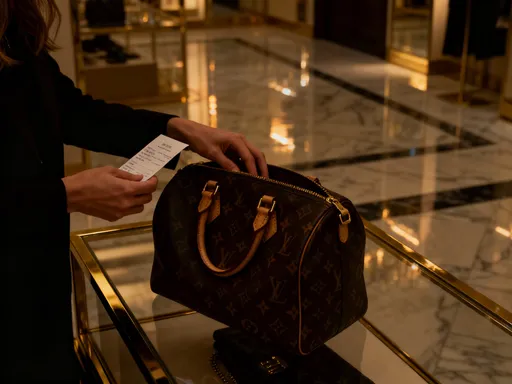
We’ve all been there—standing in a boutique, heart racing as we swipe the card for a designer bag or limited-edition watch, only to wonder months later: Can I actually get my money back if I change my mind? I did. And what I discovered about return guarantees on high-end purchases shocked me. It’s not just about receipts and timeframes—it’s a whole hidden system most luxury shoppers never see. Behind the polished counters and velvet-lined boxes lies a financial reality few discuss: the return promise often comes with invisible strings. What feels like a safety net can dissolve under scrutiny, leaving even careful buyers exposed. This is not just about regret—it’s about understanding the real value of what you buy, and how to protect yourself before the receipt fades.
The Allure of Luxury: Why We Splurge (And Regret It Later)
Luxury shopping is rarely just about the item. It is about identity, celebration, and the quiet hope that something beautiful can also be wise. A handbag is not just leather and stitching—it becomes a symbol of achievement. A timepiece is not only for telling time but for marking milestones. These emotional drivers are powerful, and they are by design. Marketing campaigns, social media imagery, and cultural narratives all reinforce the idea that luxury is both reward and investment. But beneath the surface of that emotional high lies a financial truth often ignored: not all luxury purchases retain value, and not all come with a way out.
Consider the scenario of a milestone birthday. A woman treats herself to a designer coat after years of saving. The moment she wears it, she feels transformed—confident, elegant, seen. But weeks later, as the initial thrill fades, practical questions emerge. Did she really need it? Could that money have served another purpose? More importantly, if she changes her mind, can she return it? These are not signs of poor judgment but natural reflections of financial awareness. The emotional justification for spending often overshadows the logistical realities of ownership, especially when it comes to return policies.
Psychologists refer to this as “emotional spending,” a behavior amplified during life transitions, stress, or moments of self-reward. The brain releases dopamine when acquiring something desirable, creating a sense of immediate satisfaction. Yet this same mechanism can blind us to long-term consequences. A purchase made in joy may later feel like a burden when budgets tighten. The key is not to avoid luxury altogether but to enter the experience with eyes open. Recognizing the emotional pull allows for better decision-making—especially when it comes to understanding whether a return guarantee truly offers protection or merely the illusion of it.
What many buyers fail to realize is that luxury goods are not like everyday retail items. They are sold with prestige, not practicality. While a department store may accept returns on a blender with minimal hassle, the same flexibility rarely applies to a $3,000 handbag. The expectation of value retention is strong, but the reality is more complex. Some luxury items do appreciate—vintage watches, rare handbags from iconic brands—but these are exceptions, not the rule. Most luxury purchases depreciate the moment they leave the store, much like a new car. The return policy, therefore, becomes a critical factor in risk assessment. Without a clear path to reversal, the purchase is not just a splurge—it’s a financial commitment.
Return Policies in the Luxury World: Myth vs. Reality
Most consumers assume that return guarantees are standard across retail, but in the luxury sector, this assumption is dangerously misleading. While a fast-fashion retailer might accept returns up to 30 days later with no questions asked, high-end brands operate under a different set of rules—one that prioritizes exclusivity, condition, and brand image over consumer convenience. Many luxury boutiques offer no returns at all, only store credit. Others impose strict conditions: items must be unworn, unaltered, and accompanied by original packaging, dust bags, tags, and receipts. Even then, approval is often at the discretion of the retailer, not the customer’s right.
Take the example of a high-end jewelry brand. A customer purchases a necklace during a holiday sale, only to discover weeks later that the style does not suit her neckline. She returns to the store within the 14-day window, but the item is declined for return because the protective film on the clasp has been removed. This is not an isolated case. Many brands classify any sign of use—even trying on—as grounds for refusal. The rationale is rooted in hygiene and resale integrity, particularly for items like earrings, sunglasses, or leather goods that come into direct contact with the body. But for the buyer, this can feel like a bait-and-switch: a product marketed as luxurious and timeless comes with a return policy that feels anything but fair.
The variation across retail channels adds another layer of complexity. Department stores such as Nordstrom or Neiman Marcus often offer more flexible return policies than direct brand boutiques. A customer might be able to return a designer dress to the department store within 45 days, even if the brand itself would not accept it. Online platforms introduce further ambiguity. Some e-commerce sites specializing in luxury goods advertise “easy returns,” but the fine print reveals restocking fees, return shipping costs, and mandatory authentication checks. In some cases, the buyer must pay for a certified appraisal just to prove the item is genuine—ironic, given that the retailer sold it as authentic in the first place.
Custom or made-to-order items are typically excluded from return policies altogether. A woman who commissions a bespoke handbag with her initials embossed may find that, despite loving the craftsmanship, the color does not match her wardrobe. Yet the store refuses a return, citing the personalized nature of the piece. This is standard practice, but it underscores a broader truth: the more unique the item, the less likely it is to be returnable. Consumers must weigh the appeal of personalization against the loss of flexibility. In the luxury world, exclusivity often comes at the cost of reversibility.
The Fine Print That Costs You: What “Return Guarantee” Really Means
The phrase “return guarantee” sounds reassuring, but its meaning in the luxury sector is often far narrower than consumers assume. A guarantee does not mean automatic refund—it means the store will consider a return under specific conditions. And those conditions are buried in the fine print. Terms like “new with tags,” “unworn,” and “in resalable condition” are subjective and inconsistently applied. What one associate deems acceptable, another may reject. This lack of standardization leaves buyers vulnerable, especially when emotional spending overrides careful reading.
One common trap involves packaging. Luxury brands invest heavily in presentation: boxes, ribbons, authenticity cards, care instructions, and branded dust bags. Many retailers require all of these components to be returned intact. If a customer discards the outer box thinking it’s just packaging, they may unknowingly void their return eligibility. Similarly, removing a price tag that is sewn into a garment can damage the fabric, leading to rejection. Even opening a sealed case—such as for a watch or perfume sample—can disqualify an item. These rules are rarely emphasized at the point of sale, leaving buyers to discover them only when attempting a return.
Another overlooked clause is the use of third-party services. Some buyers, concerned about authenticity, send their purchase to an independent verification company before wearing it. While this seems prudent, certain brands view this as tampering and deny returns if proof of external inspection is found. The message is clear: trust the brand completely, or lose your safety net. This creates a power imbalance where the retailer holds all the leverage. Buyers are expected to take the product at face value, with no room for independent due diligence.
Restocking fees are another hidden cost. While more common in electronics or furniture, some luxury retailers apply fees of 10% to 15% on returns, especially for online purchases. These are rarely advertised upfront and can come as a shock when the refund is processed. A $2,000 coat returned with a 15% fee results in a loss of $300—money that could have been saved with better policy awareness. The takeaway is simple: a return guarantee is not a refund guarantee. It is a conditional offer, subject to interpretation, and often designed to discourage returns rather than facilitate them.
Resale vs. Return: When the Guarantee Falls Short
When a formal return is denied, many buyers turn to the secondary market as a fallback. Resale platforms like Rebag, The RealReal, or Vestiaire Collective offer a way to recoup some value, but this path comes with its own set of challenges. Unlike a store return, which—if approved—provides a full refund, resale means accepting depreciation. The amount recovered depends on brand, condition, rarity, and market demand. A Chanel flap bag might retain 60% to 80% of its value, while a trendy designer dress from a less iconic label may fetch only 20% to 30%.
Authentication is a major hurdle. Reputable resale sites require verification, and the process can take weeks. If an item is deemed inauthentic—even if purchased from an authorized retailer—no payout is issued. This creates a Catch-22: the buyer trusted the original seller, but the resale platform does not. Some brands do not issue replacement certificates if the original is lost, making verification impossible. In such cases, the item may become unsellable, turning a luxury purchase into a sunk cost.
Market trends also play a critical role. Luxury fashion is subject to cycles of popularity. A handbag that was in high demand one year may lose favor the next, especially if the brand releases a new design or changes leadership. Timing matters: selling within the first year of purchase typically yields the highest return. Waiting too long can result in steep devaluation. For watches, particularly from Swiss manufacturers like Rolex or Patek Philippe, resale value can exceed retail—but only for models with proven scarcity and collector appeal. Most other timepieces depreciate like any other accessory.
The emotional toll of resale should not be underestimated. Returning an item to a store, even if met with resistance, feels like a resolution. Reselling requires effort: photographing, writing descriptions, shipping, and negotiating. It turns a moment of regret into a prolonged financial project. Yet for many, it is the only viable path to recovery. Understanding the resale landscape before buying allows for smarter choices—such as favoring timeless pieces over seasonal trends, or selecting brands with strong secondary market performance.
Risk Control: How to Protect Your Investment Before You Buy
The smartest approach to luxury shopping is not to rely on return policies at all—but to build your own safety net before the purchase is made. This begins with research. Before swiping the card, take time to review the brand’s official return policy online. Call customer service to clarify ambiguous terms. Ask specific questions: Can I return an item if I’ve worn it once? What if the box is damaged? Is store credit the only option? Getting answers in writing, even via email, creates a record that may help in disputes.
Warranty coverage is another often-overlooked protection. Some luxury brands offer limited warranties on craftsmanship—such as stitching, hardware, or movement in watches. While this does not cover returns, it can provide repair or replacement for defects. Knowing what is covered—and for how long—adds value beyond the initial purchase. For high-ticket items, consider whether the brand offers complimentary maintenance or authentication services over time. These benefits enhance long-term ownership and can indirectly support resale value.
Buying during trial periods or through retailers with lenient policies can also reduce risk. Some stores offer “try at home” programs for online orders, allowing customers to wear items for a short period before deciding. Others provide extended return windows during holidays. Taking advantage of these windows allows for real-world testing—seeing how a coat fits in natural light, or how a bag feels when carried all day. This practical evaluation reduces the chance of regret.
Third-party protections add another layer of security. Some credit cards offer purchase protection, covering items that are damaged or stolen shortly after purchase. Others provide extended return coverage, reimbursing the difference if a store refuses a return within a certain timeframe. These benefits vary by card and issuer, so reviewing your cardholder agreement is essential. For significant purchases, consider whether adding short-term insurance or using a payment platform with buyer protection makes sense. These tools do not eliminate risk, but they shift some of the burden away from the buyer.
The Role of Payment Methods: Your Secret Safety Net
Your choice of payment method can be one of the most powerful tools in protecting a luxury purchase. Not all transactions are equal—some payment options come with built-in financial safeguards that outperform the retailer’s own return policy. Credit cards, in particular, often offer benefits that many consumers never use. Extended return protection, for example, allows cardholders to return eligible items to the issuer if the retailer refuses. This typically applies to purchases made within the past 90 days and requires the original receipt and proof of the retailer’s denial.
Chargebacks are another critical feature. If a store refuses a valid return or fails to honor its policy, a cardholder can dispute the charge with their bank. The issuer investigates and may temporarily refund the amount while the case is reviewed. This process is not guaranteed, but it has succeeded in cases where retailers applied arbitrary conditions or changed policies retroactively. The key is acting quickly—most disputes must be filed within 60 to 120 days of the purchase.
Price protection, though less common now, still exists with some cards. If the same item goes on sale shortly after purchase, the cardholder can request a refund of the difference. While this does not help with returns, it reduces the risk of overpaying. Similarly, some cards offer warranty extensions, doubling the manufacturer’s coverage period. For a luxury watch with a two-year warranty, this could mean four years of protection against mechanical failure.
Digital wallets and buy-now-pay-later services also have roles to play. Platforms like PayPal often provide robust buyer protection, covering unauthorized transactions or items not as described. However, they may not cover “change of mind” returns unless the seller’s policy allows it. Buy-now-pay-later options like Klarna or Affirm can offer flexible payment terms, but their return processes are tied to the retailer, not the financing provider. Understanding these nuances ensures that your payment method supports, rather than complicates, your financial position.
Rethinking Value: From Ownership to Experience
In the end, the most sustainable approach to luxury is not to treat it as an investment—but as an experience. If the return guarantee is unreliable, and the resale market uncertain, then the true return may not be monetary but emotional. A piece that brings daily joy, fits perfectly into your life, and aligns with your personal style offers a different kind of value—one that cannot be measured in resale percentages. The goal is not to eliminate regret but to minimize it by aligning purchases with meaning rather than impulse.
This shift in perspective does not mean abandoning financial caution. On the contrary, it calls for greater intentionality. Ask not just “Do I love this?” but “Will I still love it in six months? Does it serve a purpose in my life? Could I rent or borrow it for a special occasion instead?” These questions foster mindful consumption. When luxury is reserved for items that truly matter, the need for returns diminishes. The emotional return becomes the primary reward, and financial prudence becomes the supporting framework.
For those who do seek resale value, the lesson is clear: choose wisely. Focus on timeless designs, iconic brands, and limited editions with documented market demand. Avoid fast-luxury trends that mimic high fashion but lack heritage. Keep all documentation, packaging, and accessories. Treat the purchase as both a personal indulgence and a potential asset—but never assume either is guaranteed.
The hidden truth behind luxury returns is not that they don’t exist, but that they are far more fragile than advertised. The polished promise of a return guarantee often crumbles under real-world conditions. But with awareness, preparation, and the right tools, buyers can navigate this landscape with confidence. By combining emotional satisfaction with informed risk control, luxury shopping can be both joyful and responsible. The real return is not just in what you get back—but in how wisely you move forward.