Beyond the Clock: How Local Apps Gave Me Back My Workday
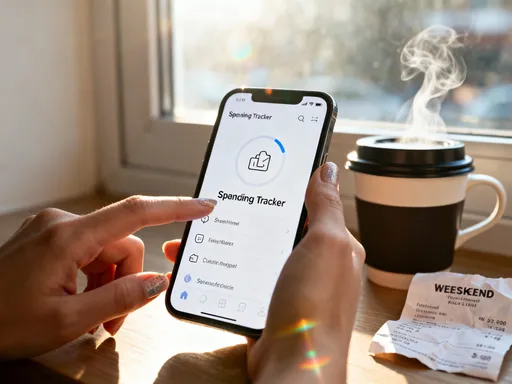
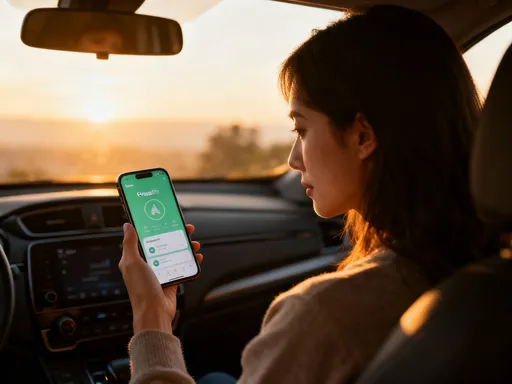
Ever feel like your day vanishes before you even start? I used to rush through mornings, miss lunch, and drown in errands after work—until I discovered how simple local life apps could reshape my routine. These aren’t flashy tools, but quiet helpers that cut minutes from tasks, connect me to nearby services, and quietly give me back time. This is how they changed my workday—for real.
The Morning Rush That Ate My Life
I used to begin each workday already exhausted—rushing to get ready, skipping breakfast, and juggling coffee, keys, and bags. The stress of small undone tasks piled up before 9 a.m., and by the time I sat down at my desk, I felt like I’d already lost the day. Sound familiar? I wasn’t alone. So many of us start our mornings in survival mode, reacting to alarms, traffic, and last-minute to-dos. But then I tried something different: a neighborhood service app that lets me order breakfast from a café just five minutes from my office. No lines, no indecision, no stress. I walk in calm, coffee in hand, with time to breathe. That ten-minute window used to be chaos. Now, it’s peace.
What changed wasn’t just the coffee—it was the rhythm. When you stop fighting your morning, you stop carrying that tension into your work. I realized I wasn’t saving time; I was reclaiming energy. And that energy made me more focused, more patient, more present. You know that feeling when you finally sit down and think, 'Okay, I can actually do this today'? That’s what this shift gave me. These apps don’t solve everything, but they remove the friction. They’re like having a thoughtful friend who says, 'Hey, let me handle that small thing so you can focus on what matters.'
And honestly, it’s not about luxury. It’s about sustainability. I’m not paying for gourmet meals or premium memberships. I’m using tools that connect me to real, local services—places I could’ve walked to anyway. The app just made it easier, faster, and less mentally taxing. Isn’t that what we all want? To stop wasting our best hours on things that don’t need to be hard?
Lunch Breaks That Finally Feel Like Breaks
For years, my “lunch” was a sandwich at my desk while answering emails. I told myself I was being productive, but really, I was just worn down. I’d look up two hours later, realize I hadn’t eaten properly, and wonder why I felt so drained by 3 p.m. Sound familiar? We’ve been sold this idea that pushing through is strength. But here’s the truth: strength also means knowing when to pause.
Then I started using a local food discovery app to explore nearby eateries within a 10-minute walk. No more guessing if a place is crowded or if they even take walk-ins. I could see menus, check reviews, and—this was a game-changer—book a table ahead or pre-order a meal. That meant I could actually step outside, sit down, and reset. Those 30 minutes became sacred—not just for eating, but for recharging. I’d leave my phone in my bag, listen to the chatter around me, or just watch people walk by. It felt like a mini-vacation in the middle of the day.
One day, a coworker saw me walking back with a to-go box and said, 'You always seem so calm after lunch. What’s your secret?' I laughed and said, 'I actually take my lunch break.' She looked shocked. That’s when I realized how rare that is. We’ve normalized burnout. But using this app wasn’t about indulgence—it was about intention. It gave me back the ability to choose: do I want quiet time? A chat with a friend? A new flavor to try? Those small choices added up to a bigger shift. I stopped seeing lunch as a chore and started seeing it as a reset button.
And the best part? It didn’t cost more. In fact, I often spent less because I wasn’t impulse-buying snacks to keep me going. I was planning, choosing, and enjoying. That’s the power of these tools—not just convenience, but clarity.
Errands Without the Exhaustion
Running post-work errands used to stretch my evenings into chaos—grocery shopping, dry cleaning, pharmacy stops. I’d come home late, drop my bag, and immediately head out again. By the time I sat down, it was past 8 p.m., and I hadn’t even started dinner. I felt like a task machine, not a person. And the worst part? The mental load. Even when I wasn’t doing the errands, I was thinking about them. 'Did I remember to schedule the dry cleaning pickup? Is the pharmacy open late? Do we need milk?' It was exhausting.
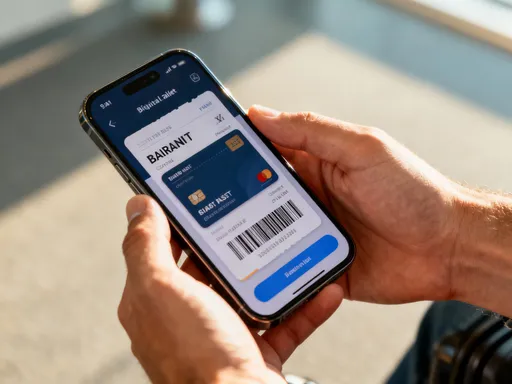
Then I discovered on-demand local delivery apps that let me schedule pickups and drop-offs during my work hours. My dry cleaning gets collected while I’m in a meeting. Groceries arrive just as I get home. I can order medicine and have it delivered the same day. The mental load of planning and doing has faded. I’m not just saving time—I’m saving energy. And that energy? I’m using it to cook with my kids, read before bed, or just sit quietly with a cup of tea.
One evening, my daughter looked up and said, 'Mom, you seem happier lately.' I didn’t realize how much my stress was showing. These apps didn’t erase my responsibilities—they just made them manageable. I’m still the one who decides what to buy, where to go, and when to act. But the friction is gone. I’m not fighting traffic or standing in line. I’m not rushing. And that makes all the difference.
Think about it: how many hours a week do you spend on errands? How much of that time feels wasted? These tools don’t do the work for you, but they smooth the path. They’re like having a co-pilot for the little things that used to derail your day.
When Work and Life Blur, These Tools Keep Me Anchored
Hybrid work made boundaries fuzzy. Was I working? Living? Always “on”? I’d finish a meeting and immediately check emails from home. I’d start cooking dinner while answering a work message. The lines blurred, and I felt ungrounded. I missed the clear separation of “office time” and “home time.” But then I started using a smart local event app to schedule small, real-life moments—like a yoga class near my co-working spot or a coffee meetup with a friend between meetings. These weren’t escapes—they were anchors.
The app shows me what’s happening nearby: a pop-up market, a free meditation session, a community art walk. I can filter by time, distance, and interest. And because it’s local, I don’t need to plan far ahead. I can say yes to a 45-minute pottery class after a long meeting because it’s just ten minutes away. That hour wasn’t lost work time—it was reclaimed life time. I came back refreshed, creative, and more focused.
One day, I joined a guided nature walk during my lunch break. I didn’t take my laptop. I didn’t check email. I just walked, listened, and breathed. When I got back, my coworker said, 'You seem different.' I realized I hadn’t just changed my routine—I’d changed my presence. Technology didn’t pull me away from life; it helped me return to it. These moments didn’t require big commitments. They just required permission—to pause, to play, to be.
And that’s what I love about these tools: they don’t add to the noise. They help me cut through it. They remind me that life isn’t just about getting through the day. It’s about feeling it.
Family Time That’s Actually Quality Time
Evenings with my family used to be rushed—me stressed, distracted, still thinking about work. I’d be in the kitchen, half-listening to my kids’ stories, mentally making tomorrow’s to-do list. I was there, but not really present. And I hated that. I wanted to be the mom who’s fully there, who laughs at silly jokes and helps with homework without checking her phone. But how?
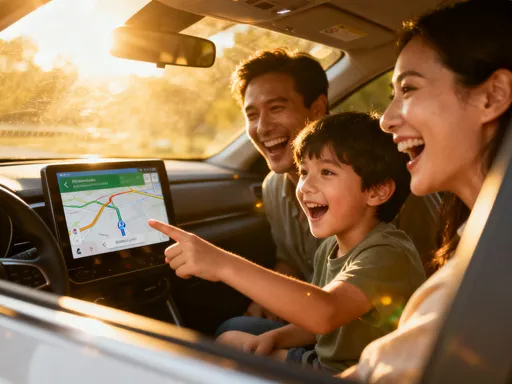
Then I began using neighborhood parenting apps to find kid-friendly spots nearby. A 20-minute park visit after dinner became our ritual. No planning, no driving far—just presence. The apps didn’t raise my kids for me, but they gave me back the gift of time to be there. And that made all the difference. We’d swing together, play tag, or just sit on a bench and watch the sunset. No agenda. No pressure. Just us.
One night, my son said, 'I like when we go to the park after dinner. It’s our time.' That hit me right in the heart. He wasn’t asking for more toys or bigger outings. He was asking for me. And these apps helped me show up. They made it easy to say yes to small moments that build big memories. I wasn’t scrolling through endless options or driving across town. I was walking five minutes to a place I didn’t even know existed.
These tools didn’t fix my life. But they made space for the things that matter. And in that space, real connection grew. I stopped seeing family time as something to squeeze in and started seeing it as something to protect.
Small Tech, Big Shifts in How I Think
It wasn’t just about convenience—it changed how I see time. I used to measure productivity by how much I could endure. Now, I measure it by how much space I create for what matters. These apps didn’t make me busier; they made me calmer. I started saying “yes” to things that scared me—like signing up for a public speaking workshop offered locally. The tools didn’t do the growing for me, but they made room for it.
I realized that time isn’t something we find. It’s something we make. And we make it by removing the friction, the clutter, the small stresses that pile up. These local apps didn’t give me extra hours in the day. They gave me back the ones I was losing to inefficiency and overwhelm.
And that shift in mindset changed everything. I stopped asking, 'How can I do more?' and started asking, 'How can I feel more?' More joy. More peace. More connection. The apps didn’t create those feelings—but they cleared the path for them to grow.
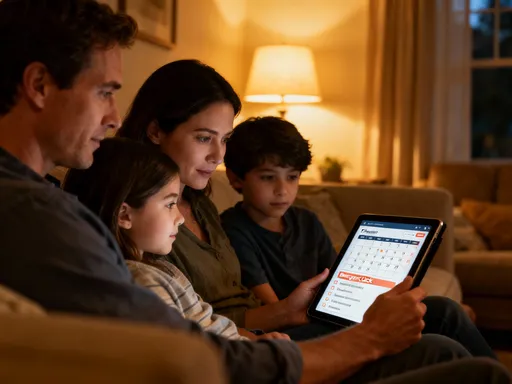
One day, I looked at my calendar and saw something surprising: I had free time. Not because I’d canceled plans or skipped responsibilities. Because I’d used tools that helped me move through my day with ease. And in that space, I found room to breathe, to dream, to be.
Reclaiming My Day, One Simple Choice at a Time
Looking back, it wasn’t one big change that transformed my workday—it was dozens of small ones. Choosing an app to pre-order lunch. Letting a service handle my laundry. Using a map to find a quiet garden for a midday walk. These weren’t life hacks—they were life helpers. And together, they gave me back something I thought I’d lost: time to live, not just survive.
I’m not tech-obsessed. I don’t love gadgets or data. But I love tools that serve me, not control me. These local apps are like quiet allies—always there, never demanding, just making things a little easier. They don’t replace human connection. They protect it. They don’t add to the noise. They help me tune into what matters.
And the most beautiful part? These changes are within reach for anyone. You don’t need a new job, a bigger salary, or a lifestyle overhaul. You just need to start small. Try one app. Let it handle one task. See how it feels to walk into your day with a little more calm, a little more confidence.
Because you deserve that. You deserve to feel in control. You deserve to enjoy your life, not just manage it. And sometimes, the smallest tools can help you do the biggest things—like showing up as the person you want to be, every single day.