More than apps: Tools that quietly simplified my daily chaos
Have you ever felt like your phone should make life easier—but somehow adds more stress? I used to drown in notifications, forget small tasks, and waste time switching between apps. Then I shifted my focus from *using more tech* to *using it wisely*. Simple changes—like silencing digital noise and choosing tools that fit my rhythm—gave me back time, calm, and focus. This isn’t about mastering gadgets. It’s about letting technology support your life, not steer it. And honestly, once I stopped trying to be someone who thrives on digital perfection, I started thriving in real life. This is the story of how I stopped fighting my devices and started using them to feel more like myself.
The Myth of the “Perfect” Productivity App
Remember that excitement when you download a brand-new productivity app? The clean interface, the colorful checklists, the promise of finally getting it all together? I’ve been there—so many times. I’d start with high hopes, enter in my to-dos, maybe even color-code them, and then—by the end of the week—forget it existed. The cycle repeated: download, try, abandon, repeat. I thought the problem was me. Maybe I wasn’t disciplined enough. Maybe I just didn’t care enough about being organized. But here’s what I finally realized: the problem wasn’t me, and it wasn’t the apps themselves. It was the expectation that one app could fix everything.
What I’ve learned is that no app is inherently magical. The real magic happens when a tool fits seamlessly into your actual life—the one with school drop-offs, last-minute grocery runs, and the occasional forgotten dentist appointment. I used to chase features: recurring tasks, time blocking, integration with email, voice notes. But the more features an app had, the more effort it took to use. And effort is the enemy of consistency. The turning point came when I admitted I didn’t need a perfect planner—I needed something I’d actually use every day without thinking about it.
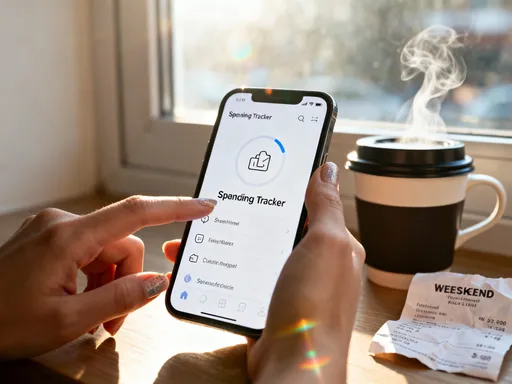
So I switched to a simple to-do list app with almost no bells and whistles. No fancy charts. No complicated settings. Just a blank space to type what I needed to do. At first, it felt too basic. But within days, I noticed something: I was actually checking it. Because it was easy. Because it didn’t ask for much. Because it didn’t make me feel guilty when I didn’t finish everything. That small win built momentum. I started adding just one or two tasks each morning—things like “call the vet” or “buy laundry detergent”—and checking them off felt satisfying, not overwhelming.
The lesson? Simplicity beats sophistication every time when it comes to daily tools. If a tool feels like work, you won’t stick with it. But if it feels like a natural extension of your rhythm—like grabbing your coffee or brushing your teeth—you’ll keep coming back. I’ve since let go of the idea that I need to use the “best” app. Now, I ask myself: Does this make my life easier? Does it save me time or mental energy? If the answer is no, I don’t use it. It’s that simple. And honestly, that mindset shift has been more powerful than any app I’ve ever downloaded.
How My Morning Routine Changed Without Trying
I didn’t set out to overhaul my mornings. In fact, I used to think I was stuck with the chaotic rush—waking up late, scrambling to get the kids ready, chugging coffee while checking emails, and leaving the house feeling behind before the day even started. I blamed my lack of willpower, my busy schedule, even the weather. But what I didn’t realize was that my phone was making it worse. Every morning, before my feet even hit the floor, my mind was already pulled in ten directions by buzzing alerts—work messages, social media updates, news headlines. No wonder I felt scattered.
The change began with one small decision: I turned off all non-essential notifications. No more pings from shopping apps, social media, or news alerts. Just calls, texts, and calendar reminders. At first, it felt strange—like I was missing out. But within days, I noticed something different. I woke up more slowly. I could hear the birds outside. I started making my coffee without immediately reaching for my phone. And because I wasn’t flooded with digital noise, I actually had space to think about what kind of day I wanted to have.
Then I added one tiny digital habit: a single morning focus reminder. Every day at 7:15 a.m., my phone gently reminds me: “What’s one thing you want to feel today?” That’s it. No checklist. No pressure. Just a soft question to ground me. Some days, the answer is “calm.” Other days, it’s “energized” or “present.” But that one question shifts my mindset before the day takes over. I’ve started dressing before checking email. I sit down to breakfast with my family instead of eating on the go. I’ve even started journaling for five minutes—something I swore I’d never have time for.
What’s amazing is that I didn’t force any of this. These changes didn’t come from a rigid schedule or a complicated routine. They came from removing friction and adding one gentle nudge. Technology didn’t fix my mornings—it gave me the space to fix them myself. And now, instead of feeling like I’m playing catch-up all day, I feel like I’m starting from a place of intention. That shift has rippled into everything—my mood, my focus, even how I show up for my family. It’s proof that small, thoughtful tech choices can create big shifts without demanding more from you.
The Hidden Cost of Staying “Connected”
We’ve been taught that being reachable is a sign of responsibility. That answering quickly means we’re on top of things. But I’ve learned the hard way that constant connectivity often does the opposite. It fragments our attention, drains our energy, and steals the quiet moments that make life feel rich. I used to pride myself on being responsive—replying to messages within minutes, checking work emails during dinner, multitasking during family time. I thought I was being efficient. But over time, I noticed I was more irritable, less patient, and oddly, less productive. I was always “on,” but never really present.
The wake-up call came during a weekend hike with my daughter. We were at the top of a small hill, overlooking a field of wildflowers, and I was supposed to be taking it in—really seeing it. But my phone buzzed. Just once. And without thinking, I reached for it. It was a non-urgent work message. Nothing that couldn’t wait. But I checked it anyway. And in that moment, I realized I had broken something precious: the chance to be fully with my child in a beautiful moment. That small decision left me feeling hollow. I hadn’t missed a deadline, but I’d missed a memory.
That’s when I started redefining what “available” really means. I began setting quiet hours—times when my phone goes on do not disturb, and only calls from family can get through. I started using status updates in messaging apps: “Stepping away until 6 p.m.—will reply then.” And guess what? The world didn’t end. People adapted. And I found something unexpected: I became more focused, more creative, and more emotionally available. When I was with my family, I was really there. When I worked, I worked better. And when I rested, I actually rested.
The truth is, being constantly reachable doesn’t make us better at our jobs or more loving as parents. It often makes us distracted, stressed, and stretched too thin. By creating boundaries with technology, I’ve reclaimed my attention—and that has made all the difference. You don’t have to disappear. You just have to decide when and how you show up. And that small act of choosing—instead of reacting—has given me back a sense of control I didn’t even know I’d lost.
Making Tech Work for Family Time, Not Against It
Family time is sacred—but it’s also fragile. It doesn’t take much for a phone to quietly take over. I remember nights when I’d sit at the dinner table, nodding along to my kids’ stories while scrolling through my inbox. Or weekends when I’d promise to play a board game, only to get distracted by a work email. I wasn’t trying to be absent. I just didn’t realize how much my digital habits were stealing from the moments I claimed to cherish.
The shift started when I decided to use technology not as a distraction, but as a protector of connection. I set up a shared family calendar that syncs across all our devices. Now, when my son has soccer practice or my daughter has a school play, it shows up automatically. No more forgotten events. No more last-minute panic. But more than that, it’s become a shared space where we plan things together—like weekend hikes or movie nights. Seeing those moments on the calendar makes them feel real, important, and worth protecting.
I also started using location-based reminders. For example, when I leave work, my phone gently reminds me: “Call home—ask about their day.” It’s a small prompt, but it helps me transition from work mode to family mode. Similarly, when I arrive at the school, I get a reminder: “Put phone in bag. Be present.” These aren’t punishments—they’re loving nudges to help me show up the way I want to.
And during family time, I’ve made a simple rule: phones go face down on the kitchen counter. No exceptions during meals or game nights. If something urgent comes up, someone can call. But most things aren’t urgent. And by removing the temptation to check, we’ve created space for real conversation—laughing, sharing stories, even comfortable silence. It’s not about perfection. Some days we still slip. But the intention is there. And that makes all the difference. Technology, when used with care, doesn’t have to pull us apart. It can actually help us come together.
Building Habits That Stick—Without the App Overload
We’ve all downloaded a habit tracker with big dreams. “This week, I’ll drink eight glasses of water! I’ll walk 10,000 steps! I’ll meditate every morning!” And then, three days in, life happens. You forget to log your water. You skip a walk. The app sits untouched. I used to think the problem was my willpower. But the truth is, most habit apps fail because they’re disconnected from real life. They ask you to remember to use them—on top of everything else. That’s too much friction.
What finally worked for me was linking digital tools to existing routines. Instead of relying on a standalone app, I started using reminders tied to real-life cues. For example, I set a gentle alert: “After breakfast—drink a glass of water.” It’s not a demand. It’s a nudge, timed perfectly when I’m already in the kitchen. Similarly, I have a reminder that says: “After dinner—put on walking shoes.” No extra thinking required. The habit is anchored to something I already do.
I also stopped tracking everything. Instead of logging every glass of water, I now use a simple visual cue—a water bottle with time markers on the side. When I see it’s 2 p.m. and I’m only at the 10 a.m. line, I know I need to catch up. It’s low-tech, but it works because it’s always in front of me. For movement, I started using my phone’s step counter not as a goal tracker, but as a gentle mirror. I don’t obsess over 10,000 steps. But if I see I’ve only taken 2,000 by evening, I’ll take a short walk around the block. No guilt. Just awareness.
The key was removing the pressure. Habits stick when they feel easy, not like another task on the list. By using technology as a quiet supporter—not a judge—I’ve built small, sustainable changes. I drink more water. I move more. I even floss more consistently (yes, really). And the best part? I didn’t need a fancy app or a perfect system. I just needed tools that worked with my life, not against it.
The Calm of a Tidy Digital Space
Have you ever looked at your phone and felt a little anxious? Too many apps. Too many notifications. Too much clutter? I used to feel that way every time I unlocked my screen. It wasn’t just messy—it felt heavy, like my mind was already full before I’d even started the day. I thought organizing apps into folders would fix it. And it helped—sort of. But I soon realized that digital clutter isn’t just about visual mess. It’s about mental load. Every app that demands attention, every icon that reminds me of something I “should” do, adds a tiny weight to my thoughts.
So I redesigned my home screen with one question: What do I truly need to see every day? I removed everything else. No social media. No shopping apps. No news. Just a few essentials: phone, messages, calendar, notes, and a meditation app. I put them in a simple grid, with plenty of blank space. Now, when I unlock my phone, it feels calm, not chaotic. It’s like walking into a tidy room instead of a crowded closet.
I also started auditing my apps monthly. If I haven’t used one in 30 days, I delete it. If an app makes me feel stressed or distracted, it’s gone. This isn’t about being extreme—it’s about intention. I want my phone to support me, not drain me. And by curating what stays, I’ve created a digital environment that feels peaceful, not overwhelming.
The impact has been surprising. I feel less pulled in different directions. I make decisions more easily. I even sleep better because I’m not scrolling before bed. A tidy digital space isn’t just about aesthetics. It’s about creating mental clarity. And when your mind feels clear, everything else—your mood, your focus, your relationships—gets a little easier.
When Less Tech Actually Gives You More
Looking back, the biggest change wasn’t that I accomplished more. It wasn’t that I became super efficient or finally “had it all together.” The real win was something deeper: I gained back my presence. My peace. My sense of control. By choosing tools that blend into the background instead of demanding attention, I’ve created space for what truly matters—time with my family, moments of quiet, bursts of creativity, and the simple joy of just being.
Technology didn’t fix my life. I did. But it helped. When used mindfully, tech can be a quiet ally—a gentle reminder, a helpful organizer, a protector of time and attention. It doesn’t have to be the center of your world. It can simply support the life you’re already building.
I’m not perfect. Some days I still get distracted. Some days I check my phone too much. But now I have tools—and more importantly, awareness—to gently bring myself back. And that makes all the difference. Because this isn’t about becoming someone who never uses tech. It’s about becoming someone who uses it on her own terms.
If you’re feeling overwhelmed by your devices, I want you to know: you’re not alone. And you don’t need to master every new app or gadget. You just need a few small, thoughtful choices that align with your life. Start with one change. Silence one type of notification. Delete one app that drains you. Set one gentle reminder. Let technology serve you, not the other way around. Because when you do, you’ll find something surprising: less tech can actually give you more of everything that matters.