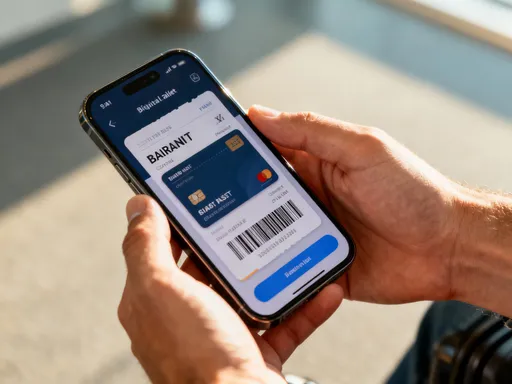
I kept saying 'We’ll talk about it later'—this family app finally got us on the same page
How many times have you meant to check in with your family about plans, safety steps, or just daily routines—only to realize no one’s actually on the same page? I’ve been there: missed messages, last-minute surprises, and that nagging worry when someone’s running late. What if a simple tool could help us stay connected, prepared, and calm—without adding more to our plates? That changed when we started using smart planning apps designed for real family life. It didn’t take over our days or demand constant attention. Instead, it quietly held the details we kept forgetting, showed us where everyone was, and gave us a plan we could actually follow. This isn’t about high-tech perfection—it’s about peace of mind in real life.
The Moment Everything Changed
It started with a storm. Not the kind you see coming for days, but the sudden, angry kind that rolls in fast and knocks out power before you’ve even closed the windows. That night, the lights flickered and died, the Wi-Fi dropped, and my youngest started crying. My older son kept asking, 'Where’s the flashlight?' and no one could remember where we’d last put the emergency kit. My husband grabbed his phone to check the weather, only to realize it was already down to 10 percent battery. In that moment, it hit me—we had talked about what to do in an emergency, but we’d never actually practiced it. We didn’t have a plan. We had intentions, yes, but nothing written, nothing shared, nothing clear.
I remember standing in the dark kitchen, trying to calm everyone down, wishing I could just *know* where things were or who was supposed to do what. I realized then that hope isn’t a strategy. Wishing we’d be okay wasn’t enough. The next morning, with the power back and the kids off to school, I sat at the kitchen table and searched for something—anything—that could help us actually stay on the same page. That’s when I found a family coordination app. I didn’t download it because I wanted to be more productive or track every move. I downloaded it because I was tired of feeling unprepared. Within a week, we had a shared digital space where everyone could see the emergency checklist, access contact numbers, and even share their location during storms or late drives. It wasn’t about control. It was about clarity. And for the first time, I felt like we weren’t just hoping for the best—we were ready for it.
Why Most Family Plans Fail (And What We Were Missing)
Let’s be honest—most family plans don’t fail because we don’t care. They fail because they’re built like school projects: created with good intentions, printed out, stuck on the fridge, and forgotten by Tuesday. I had a list of emergency numbers once, handwritten on a magnet. When my daughter had a fever at 2 a.m., I couldn’t find it. I remember tearing through drawers, trying to remember my pediatrician’s after-hours line, while she cried in the other room. The information was there somewhere—but not when I needed it. That’s the problem with paper plans and scattered notes: they only work if you can access them under pressure. And when stress hits, even simple things feel impossible.
We also forget that plans need roles. Who calls 911? Who grabs the pets? Who meets the kids at the corner if we can’t get home? Without clear responsibilities, everyone assumes someone else is handling it—until no one is. And kids? They need more than vague instructions like 'stay safe.' They need simple, repeatable steps they can follow even when they’re scared. What we were missing wasn’t love or attention—it was access and consistency. We needed a system that kept everything in one place, updated in real time, and easy to reach from any device. That’s where technology comes in—not to replace parenting, but to support it. A good app doesn’t make decisions for you. It holds the details so you don’t have to carry them all in your head. It’s like having a co-pilot for family life, one that never gets tired or forgets where you left the flashlight.
How One App Became Our Family’s Safety Backbone
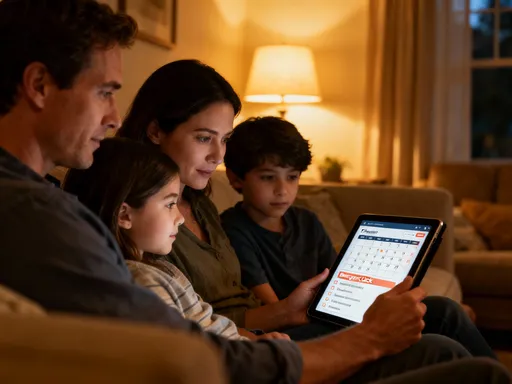
We didn’t need something fancy. We needed something simple, reliable, and easy enough for a 10-year-old to use. The app we chose—after trying a few—had just the right balance. It let us create shared calendars, set up emergency checklists, and share locations with one tap. No complicated menus, no geeky settings. Each family member has a profile, and we assigned small roles based on age and responsibility. My son knows he’s in charge of the dog during an evacuation. My daughter checks the emergency kit once a month and updates the list if we’re low on batteries or bandaids. My husband and I get alerts if someone leaves a safe zone or if a severe weather warning hits our area.
But the real game-changer was the emergency mode. With one button, the app pulls up our family’s plan: meeting points, emergency contacts, medical info, and even a voice message we recorded together saying, 'We love you, and we’re coming to get you.' It sounds small, but hearing our voices calmed my daughter during a school lockdown drill. She told me later, 'I wasn’t scared because I knew you knew where I was.' That’s the power of this tool—not because it’s high-tech, but because it creates connection in moments of fear. And it’s not just for disasters. We use it every day. When I’m at the grocery store, I can see if my husband picked up the kids from practice. When he’s traveling, I can check in with a tap. It’s not about surveillance. It’s about support. It’s about knowing that no matter where we are, we’re still a team.
Turning Chaos into Calm: Real-Life Moments That Proved It Works
I’ll never forget the afternoon my son missed his bus. He’d stayed late for math help, and no one had told me. My phone buzzed with an alert: 'Alex is not at pickup zone.' I opened the app and saw his location—still at school. I called the teacher, picked him up, and gave him a hug. No panic, no frantic calls, no guilt. Just a quick fix. Before this app, that moment would’ve spiraled. I would’ve been pacing, calling every parent I knew, imagining the worst. But because I could see where he was, I stayed calm. And that calm made all the difference.
Then there was the time my husband traveled for work to another country. Time zones made calling hard, and I didn’t want to wake him every time I worried. But the app had a 'check-in' feature. With one tap, he could send a 'I’m safe' message to all of us. He used it after landing, after meetings, even before bed. It wasn’t much, but it gave me peace. One night, there was a small earthquake near his city. I woke up to a news alert—and then to his check-in message. I didn’t have to call, didn’t have to wait. I knew he was okay. And when my daughter had a fire drill at school, I got a notification that all students were accounted for. She didn’t even call me—she knew I already knew. These weren’t life-or-death moments, but they were the kind of everyday stresses that wear you down. Now, they’re proof that our system works. Small wins, yes—but they’ve built something bigger: trust. And trust? That’s what brings real calm.
Simple Setup, Lasting Impact: How to Start Without Overwhelm
I’ll admit, I was nervous at first. Technology can feel overwhelming, especially when you’re already juggling work, kids, meals, and bedtime routines. The last thing I wanted was another app to manage. So we started small. Just two features: a shared family calendar and an emergency contact list. We added our pediatrician, pharmacy, and a few trusted neighbors. Then we created a simple checklist for power outages: flashlights, chargers, water, snacks. We practiced it on a Saturday afternoon—no storm, no stress. We even made it fun. Pizza for dinner, music in the background, and a little 'disaster drill' game where the kids raced to find the supplies.
The key was making it a family moment, not a chore. We called it 'Pizza & Planning Night,' and now the kids look forward to it. Every few weeks, we review our plan, update info, and add new scenarios—like what to do if someone gets lost at the mall or if there’s a water main break. We added medical details: allergies, medications, insurance info. We set up custom alerts for school pickup changes or late arrivals. And slowly, it became part of our rhythm. The kids now remind *us* to update the app when plans change. My daughter says, 'Mom, did you tell the app I’m staying late for art club?' It’s not perfect—sometimes we forget, sometimes the battery dies—but it’s consistent enough to make a difference. And the best part? It took less than an hour to set up. You don’t need to do it all at once. Start with one thing. Then add another. Small steps lead to big peace.
Beyond Emergencies: How This Helps Every Day
What surprised me most was how much this app improved our everyday life—not just the emergencies. We use it for school pickup swaps, doctor’s appointments, and even grocery lists. When my sister offers to pick up the kids, I update the calendar, and everyone sees it. No more double-booking or confusion. When my husband has a meeting late, I get a notification, so I’m not wondering where he is. When I’m at the store, I can check the shared list and see that we’re out of milk and dog food. It sounds simple, but these small things add up. They reduce friction. They cut down on the 'You said we were doing that!' arguments. Because now, the plan isn’t in someone’s head—it’s in the app, visible to all.
And that changes everything. It doesn’t mean we’ve lost spontaneity. We still have surprise ice cream runs and last-minute movie nights. But now, the structure is there when we need it. It’s like having a quiet helper in the background, holding the details so we can focus on being present. Less mental clutter means more room for laughter, for connection, for just *being* together. I’m not constantly trying to remember who’s where or what’s happening. I can breathe. And when you’re a mom, that’s everything. This app didn’t take over our lives—it gave us back time, space, and peace. It’s not about control. It’s about clarity. And clarity? That’s freedom.
Peace of Mind Isn’t Perfect—It’s Prepared
I used to think peace of mind meant having everything under control. Now I know it’s not about perfection. It’s about being prepared. This app didn’t make me a perfect parent. I still forget lunches, miss calls, and burn dinner. But it did make me calmer. It helped me stop worrying about the things I couldn’t control and focus on the things I could. It gave us a plan we could follow, a way to connect, and a sense of safety that didn’t depend on memory or luck.
Technology won’t replace love. It won’t hug your child or kiss a boo-boo. But it can carry the small things—the phone numbers, the checklists, the locations—so you can save your energy for what really matters. Today, when I say, 'We’re ready,' I finally mean it. I know where the flashlights are. I know who’s picking up the kids. I know how to reach everyone, no matter what. And when the storm comes again—and it will—I won’t be standing in the dark, hoping. I’ll be in the light, calm, and connected. Because we’re not just a family. We’re a team. And now, we’re on the same page.