From Passive Eating to Passionate Cooking: How Video Diaries Turned My Family’s Meals into Meaningful Moments
Imagine rushing through dinner, barely tasting your food, while your kids scroll on phones and your partner sighs about another “what’s for dinner?” debate. I was stuck in that cycle—until we started filming. Not for likes or views, but for us. A simple family video diary didn’t just capture our meals; it transformed how we eat, connect, and grow together. What began as a quiet experiment with my phone has become a ritual that softened the edges of our busy lives. It reminded us to slow down, laugh more, and truly see each other. This isn’t about becoming influencers or perfect cooks. It’s about reclaiming the heart of the home—one recorded moment at a time.
The Mealtime Struggle: When Food Lost Its Meaning
For years, dinner felt less like a meal and more like a checklist. Did everyone eat? Check. Was it somewhat nutritious? Check. Did anyone complain too much? Almost always. Our kitchen echoed with the same questions: “Is it ready yet?” “Can I have cereal instead?” “Why are we having this again?” I’d stand at the stove, tired and unappreciated, serving dishes I barely enjoyed myself. The joy of cooking had vanished, replaced by the pressure to feed four different palates on a tight schedule. I relied on frozen meals, quick pastas, and anything that minimized cleanup. And though I told myself it was fine—“they’re getting calories, right?”—deep down, I felt like I was failing.
What hurt most wasn’t the mess or the monotony. It was the silence. We were together, but not really. My daughter would eat with one earbud in, my son would push food around his plate, and my husband would scroll through emails between bites. We were physically present, but emotionally miles apart. I missed the warmth of real conversation, the kind where someone says, “This tastes like Grandma’s stew,” or “Remember when we made pancakes and burned the first batch?” Those moments felt like relics from another life. I realized we weren’t just losing the tradition of family meals—we were losing each other.
And then there was the guilt. I felt guilty for not cooking from scratch. Guilty for buying packaged snacks. Guilty for snapping when someone asked, “What’s for dinner?” for the third time that day. I knew food was more than fuel—it was supposed to be love, culture, comfort. But in our house, it had become another chore, another source of stress. I wanted to change that, but I didn’t know where to start. The turning point came not from a parenting book or a meal prep blog, but from a tiny moment of spontaneity: I picked up my phone and pressed record.
A Tiny Tech Shift: Starting Our Family Video Diary
It happened on a rainy Tuesday. My daughter, then seven, was helping me make vegetable soup. She was stirring the pot with intense focus, her little hands gripping the wooden spoon like a magic wand. On impulse, I held up my phone and said, “Let’s record this.” She immediately straightened her shoulders and announced, “Welcome to Cooking with Lily!” in a bright, dramatic voice. We both burst out laughing. After dinner, we watched the clip together. She asked to see it again. And again. That night, she told me, “I felt like a real chef.”
That 30-second video did something unexpected: it made her proud of something small. It wasn’t about the soup—it was about being seen. I realized we rarely took time to notice each other’s efforts, especially in the kitchen. So I decided to keep going. No fancy equipment. No editing skills. Just our phones and the honesty of real moments. We didn’t plan scripts or worry about lighting. Sometimes the audio was muffled. Sometimes the camera shook. But it was ours.
At first, I thought of it as just a fun project. But soon, I noticed subtle shifts. My son started asking if we could film his “special” grilled cheese sandwich. My husband began narrating while chopping onions, pretending to be a food show host. The camera wasn’t capturing perfection—it was capturing us. We named our little series “Our Table, Our Story,” and started saving the videos in a private folder. No social media, no audience. Just family. The technology was simple—just a smartphone and a free video app—but the impact was profound. It wasn’t the tool that changed us; it was the intention behind it. We weren’t filming for views. We were filming to remember.
How Filming Changed the Way We Eat
Something interesting happened once we started recording: we began to pay attention. To the sizzle of garlic in olive oil. To the way fresh basil smells when torn by hand. To the bright orange of sweet potatoes roasting in the oven. The camera acted like a gentle spotlight, drawing our focus to details we’d once rushed past. Eating became more mindful, not because we were trying to meditate, but because we wanted to remember how things looked, sounded, and felt.
My kids started noticing flavors in a new way. “Can we film this?” my son would ask before trying a new dish. That simple question shifted his mindset from resistance to curiosity. Instead of “I don’t like it,” he’d say, “Let’s see how it turns out on camera.” We’d watch the playback and laugh at his exaggerated taste-test faces—eyes wide, lips puckered, then slowly softening into a smile. One evening, he tried roasted Brussels sprouts for the first time. In the video, he takes a small bite, pauses, then says, “Okay, I’ll eat three more.” We cheered like he’d won a medal. That clip is now one of our favorites.
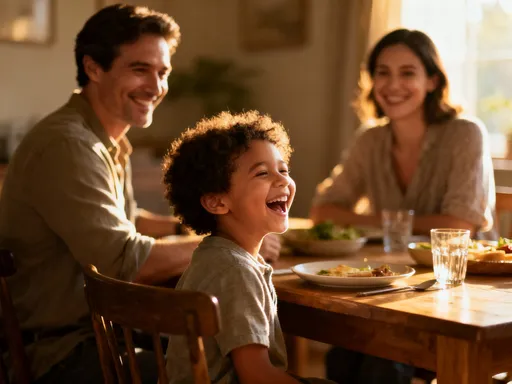
The video diary also helped us track progress in a kind, non-judgmental way. We’d revisit old videos and notice changes: my daughter eating a whole serving of salad, my husband trying a plant-based meal without complaint, me attempting a new recipe without apologizing for it. There was no pressure to be “better”—just the quiet satisfaction of seeing how far we’d come. The camera didn’t judge our portion sizes or ingredient choices. It simply showed us growing, together. Over time, our meals became more colorful, more balanced, not because we followed a strict diet, but because we were more engaged. We weren’t eating to finish—we were eating to enjoy.
Cooking as a Family Hobby, Not a Chore
For most of my life, cooking felt like my job. My responsibility. My burden. But the video diary helped redistribute that energy. Once the kids saw how fun it could be to “host” a cooking session, they wanted in. We started a rotation: each week, a different family member got to be the “Chef of the Week” and choose the menu, pick ingredients, and lead the filming. My daughter loves themed episodes—“Breakfast for Dinner Night,” “Rainbow Bowl Challenge,” “Dad’s Favorite Comfort Food.”
Tuesdays became “Taste Test Night,” where we’d try a new recipe and rate it on a silly scale: “One Stir Spoon to Five Stir Spoons.” We film it like a cozy food show, complete with commentary and dramatic bites. My son takes his role seriously, even wearing an apron that says “Master Taster.” These moments aren’t just about food—they’re about ownership, creativity, and confidence. I’ve watched my kids grow from hesitant helpers to enthusiastic leaders, proud to share their creations.
The shift wasn’t just in the kitchen—it spilled into our mindset. Cooking stopped being a chore and started feeling like play. We’d dance while stirring, sing while chopping, and celebrate small wins like “We didn’t burn the rice!” The videos captured not just the meal, but the mood—the giggles, the teamwork, the occasional meltdown over spilled milk (which we also filmed, then laughed about later). By turning cooking into a shared hobby, we turned stress into connection. And the best part? I no longer feel like the only one responsible for feeding the family. We’re in it together.
Bridging Generations Through Shared Recipes
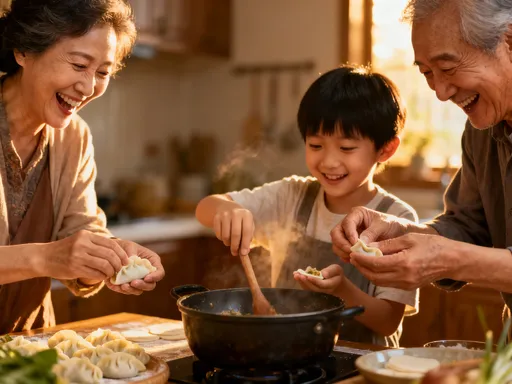
One of the most unexpected gifts of our video diary was reconnecting with our roots. I called my mom and asked if she’d teach us her famous dumpling recipe on camera. She was hesitant at first—“I don’t want to be on video!”—but when I explained it was just for family, she agreed. Sitting at our kitchen table, her hands moved with practiced ease, folding each dumpling with a flick of her wrist. She shared tips I’d never noticed: “Always use cold water for the dough,” “Don’t overfill, or they’ll burst,” “And never rush the folding—it’s part of the love.”
That video is now one of our most cherished. It’s not just a recipe—it’s her voice, her laugh, the way she hums an old tune while working. My daughter watches it often, studying her grandmother’s hands. When we make dumplings now, we play the video in the background, like she’s cooking with us. It’s a small way to keep tradition alive, especially since we live hours apart.
We invited my father-in-law to share his summer tomato sauce recipe, filmed in his sunlit garden. My aunt sent a voice note with her spice blend for lentil soup, which we recreated and recorded. These moments became more than culinary lessons—they were emotional heirlooms. The video diary gave us a way to preserve not just what we eat, but how we eat, and who we are. Technology, often blamed for pulling families apart, became the thread that stitched us closer to our past. Each recipe carries a story, and now, thanks to a few minutes of recording, those stories won’t be lost.
Practical Tips to Start Your Own Family Food Diary
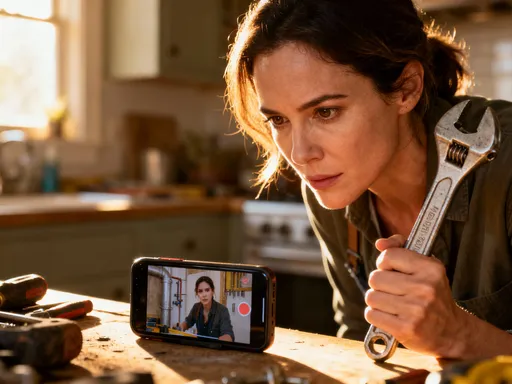
If you’re thinking, “This sounds sweet, but I’m not tech-savvy,” let me reassure you: you don’t need to be. I’m certainly not. All you need is a smartphone, a few minutes, and the willingness to show up as you are. Start small. Record a 20-second clip of someone setting the table, cracking an egg, or tasting a sauce. Don’t worry about perfection—wobbly camera work and background noise are part of the charm.
Pick a consistent time to film, like Sunday meal prep or Friday pizza night. That consistency helps it become a habit. Create a private folder or playlist—on iCloud, Google Drive, or your device—and name it something meaningful, like “Family Flavors” or “Moments at the Table.” Keep it just for your household. This isn’t about sharing online; it’s about creating a safe space for your family’s story.
Involve everyone. Let kids hold the camera (with supervision), assign fun roles, or let someone introduce each episode. Use simple questions to spark conversation: “What are you most excited to eat?” “What made this meal special?” “Who taught you how to make this?” These prompts help deepen the emotional connection behind the food.
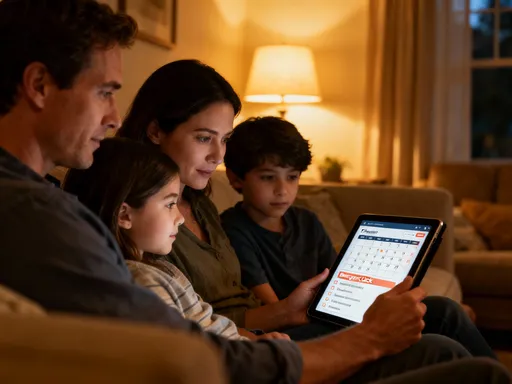
And please, don’t stress about editing. You don’t need to. Just save the clips in order. Every few months, set aside a quiet evening to watch a few together. You’ll be amazed at what you notice—the way your child’s voice has changed, how a recipe has evolved, how much laughter you’ve collected. Back up your videos regularly, and consider transferring them to an external drive for safekeeping. Think of it as digital scrapbooking, but with sound and motion. The goal isn’t a polished product. It’s presence. It’s memory. It’s love, pressed record.
More Than Meals: The Lasting Gift of Shared Memories
Now, when I look back at our video diary, I don’t just see meals. I see moments of connection. I see my daughter’s proud grin as she flips her first pancake. I see my husband pretending to cry over my “world-famous” mac and cheese. I see my son’s serious concentration as he measures flour for banana bread. I see us—imperfect, messy, laughing, trying.
These videos have become more than a record of what we ate. They’re a testament to how we lived. On tough days, when routines felt broken and tempers flared, watching an old clip reminds us of our resilience. We’ve seen ourselves grow—not just in height, but in heart. The diary has become a mirror, reflecting not just our plates, but our relationships, our values, our joy.
And here’s what I’ve learned: the most meaningful technology isn’t the one that does everything for us. It’s the one that helps us do more for each other. A smartphone can scroll, shop, and stream—but it can also witness. It can preserve a grandmother’s hands folding dumplings. It can capture a child’s first “I made this!” moment. It can turn an ordinary Tuesday into a memory.
We still have rushed dinners. We still argue about screen time. But now, we also have something else: a growing collection of moments where we chose to be present. Where we chose to see each other. Where we turned meals into meaning. If you’re feeling disconnected at the table, I invite you to try this simple act. Pick up your phone. Press record. Say something real. Let the camera roll, even for just a minute. Because one day, that minute will mean everything. The real recipe for a richer family life isn’t found in a cookbook. It’s found in time, attention, and a little lens pointed at love.