Forgot the veggies again? Here’s how I finally tamed my fridge chaos with one simple app
Forgot the veggies again? We’ve all been there—standing in front of an empty fridge, grocery bag in hand, realizing we just bought the same wilted spinach again. I used to waste food, stress over meals, and dread grocery day. But everything changed when I stopped fighting the chaos and started working with a fresh produce delivery platform. It wasn’t about willpower—it was about setting up a system that fits real life. Let me show you how a few smart, practical tweaks helped me eat better, save time, and finally keep my kitchen in sync with how I actually live.
The Fridge Panic: When Fresh Produce Feels Like a Chore
There’s a special kind of panic that hits when you open your fridge on a Tuesday night, stomach growling, and find only a sad-looking onion and half a lemon. You remember the bag of kale you bought three days ago—was it in the crisper? Did the kids use it? And why does everything seem to go bad at once? I used to live in this cycle: buying with good intentions, forgetting what I had, then throwing out limp carrots and brown-tipped herbs every week. It wasn’t just about food waste—though that stung enough—but about the mental load. Every spoiled vegetable felt like a tiny failure. "I should’ve used it sooner," I’d tell myself. "I should’ve planned better." But the truth is, no amount of guilt ever made me remember to roast those sweet potatoes.
And it wasn’t just the fridge. The grocery runs were constant—rushed trips after work, pushing the cart with one hand while answering a text from my sister about dinner. I’d stand in the produce aisle, overwhelmed by choices, grabbing whatever looked fresh, only to find it wilting by day three at home. The worst part? The cycle repeated weekly. I’d promise myself, "This week, I’ll stay on top of it," but life always got in the way. Between school pickups, laundry, and the never-ending to-do list, keeping track of perishables felt like a part-time job I never signed up for. I wasn’t lazy—I was just trying to keep everything moving, and fresh food kept slipping through the cracks.
Then one night, after tossing a container of spoiled berries I’d forgotten I bought, I had a moment of clarity. This wasn’t about discipline. It was about systems. I wasn’t failing—I just didn’t have a rhythm that worked with my life. And that’s when I realized: maybe the problem wasn’t me. Maybe it was the way I was trying to manage everything manually. I needed something that could keep up with my pace, not slow me down. That’s when I started looking for a better way—one that didn’t rely on memory or perfection, but on smart, simple support.
Why Delivery Apps Are More Than Just Convenience
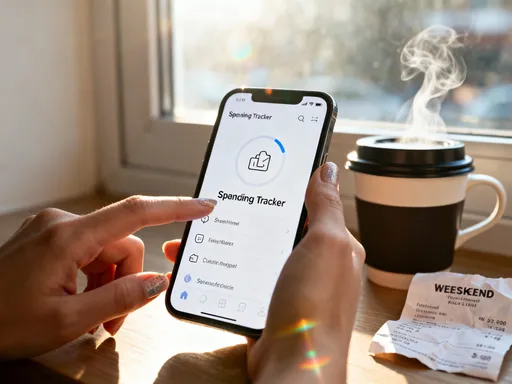
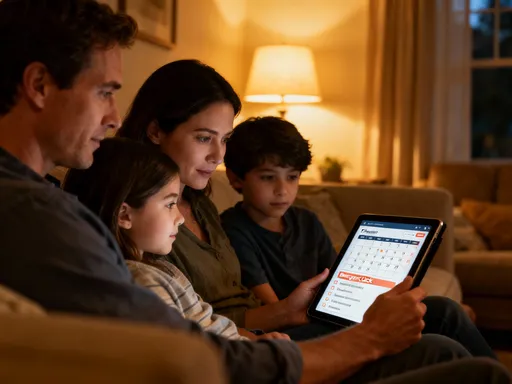
At first, I thought of fresh produce delivery apps as just another "nice-to-have"—something busy people used when they didn’t have time to go to the store. I pictured them as glorified shopping lists with wheels. But when I actually tried one, I realized it was more like having a thoughtful kitchen partner. It wasn’t just about skipping the store; it was about changing how I thought about food. Instead of reacting to what was on sale or what caught my eye at the market, I started planning ahead. The app sent reminders when my next delivery was coming, and I’d take five minutes to review what was available. Suddenly, I wasn’t buying in a rush—I was choosing with intention.
There’s a quiet psychological shift that happens when you stop treating groceries as a last-minute scramble. When I knew my delivery was coming on Thursday morning, I’d think ahead: "What meals do I want to make this week?" "What do the kids actually eat?" I started building a loose plan—maybe a stir-fry on Friday, roasted veggies with chicken on Wednesday. And because the produce arrived fresh and ready, I actually followed through. No more staring into the fridge, hoping inspiration would strike. The app didn’t cook for me, but it gave me the confidence that I’d have what I needed, when I needed it.
Another unexpected benefit? Less decision fatigue. On busy days, I didn’t have to wonder, "What should we eat?" I could open the app and see what was coming—crisp cucumbers, bright bell peppers, tender greens—and let that guide my choices. It’s like the difference between flying blind and having a map. And because the selections were curated—seasonal, fresh, and often organic—I felt good about what we were eating. No more impulse buys of sugary snacks or wilted pre-packaged salads. I was making better choices, not because I was trying harder, but because the system made it easier.
Start Small: Picking Your First Platform Without Overthinking
I’ll admit, I was nervous at first. There are so many options out there—some focus on organic, some on speed, others on affordability. I worried I’d pick the wrong one and waste money. But then I reminded myself: this isn’t about finding the perfect app. It’s about finding one that works for *me*. So I started simple. I looked for a platform that delivered to my neighborhood, had flexible time slots, and didn’t require a subscription. No fancy features, no complicated setup—just basic, reliable service.
I chose one that offered a first-time discount and promised next-day delivery. I didn’t overthink the menu. I just picked a standard produce box—nothing fancy, just the basics: carrots, apples, spinach, onions, garlic. I told myself, "Let’s see what happens." And honestly? It was low pressure. If it didn’t work out, it was just one week. But that small commitment made all the difference. Because I wasn’t signing up for a lifestyle overhaul—I was just trying something new for seven days.
When the box arrived, I was surprised by how fresh everything looked. The spinach was crisp, the apples shiny, the carrots still covered in a bit of earth—real, not polished for display. I took a photo and sent it to my sister with a note: "Look what didn’t die in my fridge!" She laughed and said, "Maybe I should try that." That’s when I realized how much we all struggle with the same thing. We want to eat well, but we need help making it happen. Starting small removed the pressure. I wasn’t failing if I didn’t use every vegetable. I was succeeding just by trying. And that mindset shift—from perfection to progress—was the real game-changer.
The Sunday Reset: How 20 Minutes Can Organize Your Whole Week
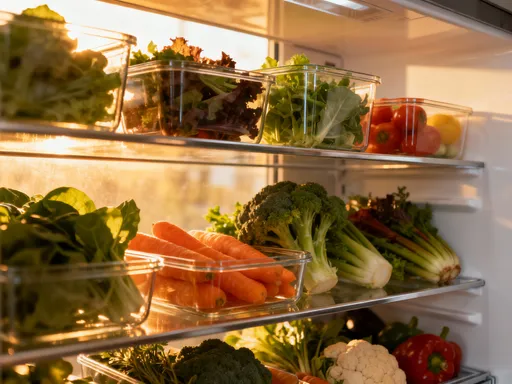
Once I got comfortable with the delivery rhythm, I added a simple habit: the Sunday Reset. Every weekend, about 20 minutes before dinner prep, I clear the counters, open the fridge, and do a quick check. I take out anything that’s past its prime—compost what I can, toss the rest. Then I wipe down the shelves and make space for the new delivery, which usually arrives Monday morning. I group similar items together: fruits on one shelf, dairy on another, ready-to-eat veggies in clear containers at eye level.
This small ritual changed everything. Before, my fridge was a mystery box—I’d open it and have to dig to find anything. Now, I can see what I have at a glance. And because I’m resetting weekly, I’m not building up clutter or forgotten leftovers. It’s not about being perfectly organized—it’s about creating a system that makes healthy choices easier. When I know where the broccoli is, I’m more likely to steam it. When the berries are front and center, the kids grab them instead of the cereal.
The best part? It only takes 20 minutes. I put on a podcast or listen to music while I work. Sometimes my daughter helps, sorting the apples by color. It’s become a little family moment, not a chore. And because I’m doing it before the new delivery arrives, I never feel overwhelmed. I’m not juggling old and new at the same time. I’m starting fresh, on purpose. That sense of control carries through the week. When Wednesday hits and I’m tired, I don’t panic. I know what’s in the fridge, I know what meals I can make, and I feel calm. That peace of mind is worth every minute.
Smart Grouping: Organizing Your Fridge Like a Pro (Without the Stress)
One of the biggest lightbulb moments came when I learned how to store things properly. I used to toss herbs in the crisper and wonder why they turned slimy by day two. Then I saw a tip in the app’s blog: store herbs like flowers, in a glass of water, with a loose bag over the top. I tried it with cilantro—and it stayed fresh for over a week. I nearly cried. For years, I’d been throwing out herbs because I didn’t know how to keep them alive. Now, I keep a small jar in the fridge just for herbs. It’s a tiny change, but it’s saved me so much money and stress.
I also started using clear containers for pre-washed greens. No more digging through plastic bags to find the spinach. Now, everything is visible, labeled, and ready to use. I group ingredients by meal type: salad greens together, roasting veggies in one bin, fruits in another. It sounds simple, but it’s made cooking feel effortless. When I’m making dinner, I don’t waste time searching. I open the fridge and know exactly where everything is. It’s like my kitchen finally started working *with* me, not against me.
Another game-changer? The "Eat Me First" section. I have one shelf labeled with a small chalkboard sign—nothing fancy—where I put anything that needs to be used soon. Overripe bananas for banana bread, soft tomatoes for sauce, wilting kale for smoothies. It’s a visual reminder, not a guilt trip. It helps me use what I have instead of letting it go to waste. And honestly, it’s kind of satisfying to clear that shelf by Friday. It feels like a win—small, quiet, but real. These aren’t perfect systems. They’re practical, flexible, and built for real life. And that’s why they stick.
Syncing Meals and Deliveries: Building a Rhythm, Not a Routine
Once the delivery and reset became habits, I noticed something beautiful: my meals started falling into a natural rhythm. Because I knew when my produce was arriving, I could plan around it. Leafy greens come Monday—perfect for weekday salads. Root vegetables arrive every other week—great for Sunday roasts. I started thinking in cycles, not checklists. Instead of asking, "What should I cook tonight?" I’d ask, "What’s fresh this week?" That small shift changed everything.
For example, I now know that Thursday is stir-fry night. Why? Because the bell peppers, snap peas, and broccoli arrive midweek, and they’re at their peak by Thursday. I prep the sauce on Wednesday, so all I have to do is chop and cook. It’s not a rigid rule—it’s a flow. If we’re out late, we shift it. But having that rhythm means I’m not starting from zero every night. I’m working with what’s fresh, what’s ready, what’s *there*.
This rhythm has also helped me cook more creatively. When I see what’s in season—zucchini in summer, squash in fall—I get inspired. I’ll try a new recipe or adapt an old one. Last month, I made a roasted carrot and orange salad because both were in my delivery. It was simple, colorful, and the kids loved it. I didn’t plan it months in advance—I just followed the rhythm. And that’s the magic: healthy eating doesn’t feel forced. It feels natural, almost effortless. The app didn’t give me a diet. It gave me a flow that fits my life.
From Chaos to Calm: How a Little Tech Gave Me Back My Kitchen—and My Peace
Looking back, I realize it wasn’t just about the vegetables. It was about reclaiming my time, my energy, and my peace of mind. I used to feel like I was failing because I couldn’t keep up with the perfect kitchen in my head. But real life isn’t perfect—and it shouldn’t have to be. What I needed wasn’t more willpower. I needed a system that worked with my rhythm, not against it.
That simple app didn’t just deliver produce. It delivered confidence. It reminded me that small, consistent changes add up. I’m not wasting food anymore. I’m cooking more. We’re eating together more often. And I’ve stopped dreading grocery day. In fact, I look forward to it—because it’s not a chore. It’s part of a rhythm that supports us.
If you’re standing in front of your fridge right now, wondering how to make it better, I want you to know: you don’t have to do everything at once. Try one thing. Pick one delivery. Do one Sunday reset. See how it feels. You don’t need to be a tech expert or a perfect organizer. You just need to start. Because the right tool, used in the right way, doesn’t complicate your life—it simplifies it. It gives you back space, time, and energy for what matters most. And sometimes, that’s all it takes to transform your kitchen—and your days—one delivery at a time.