What if Your Commute Could Organize Your Health Records—Effortlessly?
Imagine starting your day stuck in traffic, sipping coffee, and realizing you forgot your child’s vaccination records for their school check-in. Panic? Not anymore. What if, during that same commute, an app quietly sorted your family’s health documents, reminded you of upcoming checkups, and even pre-filled forms—all without lifting a finger? This isn’t sci-fi. It’s smart, personal, and already changing how real people manage health, one drive at a time.
The Morning Chaos No One Talks About
Let’s be honest—mornings with kids, pets, and packed schedules can feel like a never-ending relay race. You’re packing lunches, signing permission slips, and making sure everyone’s shoes match, all while trying not to burn the toast. And then, just as you’re pulling out of the driveway, it hits you: you forgot to print the medical form for your daughter’s sports physical. Or worse—you realize your husband’s specialist appointment is today, and the insurance paperwork still hasn’t been submitted.
This kind of stress isn’t rare. In fact, it’s so common it’s almost expected. But it doesn’t have to be. The truth is, managing health records has become one of the invisible chores of modern family life. We keep folders stuffed with paper, sticky notes on the fridge, and endless voice memos reminding us to “call the doctor.” Yet, despite our best efforts, things fall through the cracks. Missed appointments. Duplicated lab tests. Confusing medication lists. All because the system wasn’t built for real life.
And commutes? They’re often just more time to worry. You’re stuck in traffic, mentally running through your to-do list, wondering if you remembered to renew that prescription or update your son’s school health profile. But what if that time—those 20, 30, even 45 minutes behind the wheel—could actually help you? What if, instead of adding to your stress, your commute could quietly take care of the things that usually keep you up at night?
The good news is, it can. And it’s already happening for families just like yours.
How a Commute App Became a Health Sidekick
Most of us use apps to avoid traffic, find gas stations, or stream our favorite podcasts. But what if your commute app did more than get you from point A to point B? What if it also helped you show up as the calm, organized parent you want to be—without extra effort?
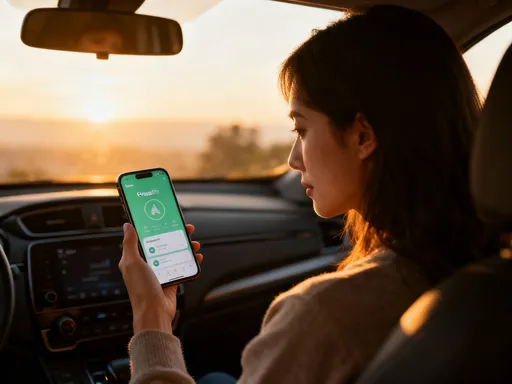
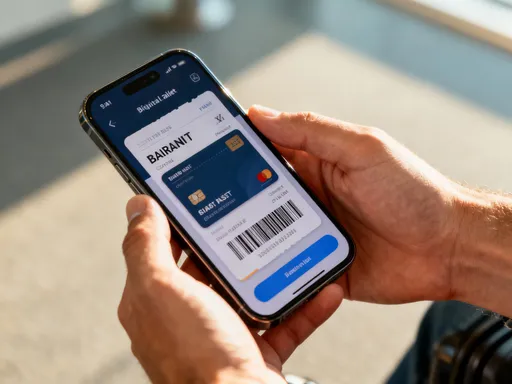
A new generation of smart commute apps is quietly changing how we handle health management. These aren’t just navigation tools. They’re designed to blend into your life, learning your rhythms and stepping in when you need them most. Imagine leaving your house after a hectic morning, and before you even reach the highway, your phone gives a soft chime: “Don’t forget—Emma’s dentist appointment is Thursday. Your insurance info has been updated, and the pre-visit form is ready to submit.”
These apps work by connecting with your calendar, your healthcare providers (with your permission), and even your driving patterns. They know when you’re on the move and use that time to quietly organize, remind, and prepare. Instead of treating your health records like cold, lifeless files, they see them as part of your daily story—something personal, ever-changing, and deeply important.
And the best part? They don’t ask you to do anything differently. No extra logins. No complicated setups. Just a gentle nudge at the right moment—like when you’re stopped at a red light or waiting in the school pickup line. It’s not about adding more to your plate. It’s about making the things on your plate easier to carry.
Personalization That Feels Like It Knows You
What makes these apps truly different isn’t just what they do—it’s how they do it. They’re not one-size-fits-all. They learn. They adapt. They remember.
Think about your family’s routine. Your youngest has asthma, so you always keep an inhaler in the car. Your husband sees a cardiologist every six months. Your mom takes three medications and hates filling out the same forms over and over. A smart app doesn’t just store this information—it anticipates your needs based on patterns it picks up over time.
For example, if your child had a checkup in April last year, the app will gently remind you in March this year: “Lucas is due for his annual physical. Would you like to schedule it?” It might even suggest times that fit your calendar and offer to send a pre-visit questionnaire to your doctor’s office. Or, if you’re driving to a new clinic, it could prompt: “This provider requires allergy records. Would you like to send them ahead?”
One mom I spoke with, Sarah, told me how this changed her life. “I used to keep a giant binder in my closet with every medical form, shot record, and prescription printout. I’d spend hours looking for one piece of paper. Now, when I’m driving to my son’s therapy appointment, the app pulls up everything I need—his history, insurance, even notes from last time. I walk in feeling prepared, not panicked.”
That’s the power of personalization. It’s not about flashy features. It’s about feeling seen, heard, and supported in the moments that matter.
More Than Storage—It’s Peace of Mind
Let’s be clear: this isn’t just about going paperless. Anyone can scan a document and call it digital. The real value isn’t in storage—it’s in relief. It’s in the quiet moment when you realize you don’t have to call the clinic again. You don’t have to rush home to print something. You don’t have to apologize for being unprepared.
For parents, this means more mental space. No more late-night Googling: “What vaccines does a 5-year-old need?” No more anxiety about missing a deadline for school forms. For caregivers of aging parents, it means confidence. You can manage medications, track appointments, and share updates with siblings—all while driving to work or running errands.
And for you? It means showing up as your best self. You’re not juggling ten tabs in your brain. You’re present. You’re calm. You’re in control.
One of the most meaningful changes I’ve noticed is how these apps help during transitions. That time between home and work, school and soccer practice—when your mind is often scattered—becomes a moment of quiet preparation. Instead of scrolling through social media or replaying last night’s argument, you’re gently guided through what’s next. A medication list is updated. A form is submitted. A reminder is set. And just like that, your day feels lighter.
Peace of mind isn’t a luxury. It’s a necessity. And when technology helps protect it, we all win.
How It Works Without Taking Over Your Life
I know what you’re thinking: “This sounds great, but I don’t have time to learn another app. I’m not tech-savvy. What if it’s complicated?”
Here’s the truth: these apps are built for people like us—busy, caring, and done with overcomplicated tools. There’s no steep learning curve. No technical jargon. No endless settings to tweak.
Getting started is simple. You download the app—most are free to try—and connect it to your calendar and email (securely, of course). Then, you begin adding your family’s health information. You can take a photo of a vaccination record while waiting in the school pickup line. Scan a prescription bottle during your coffee break. Or let the app pull in data from your pharmacy or doctor’s office—if you choose to share it.
Once it knows your basics, it starts working. While you’re driving, it might say: “Your refill for blood pressure medication is due in three days. Would you like to request it now?” You tap “Yes,” and it’s done. No phone call. No website. No stress.
Security? That’s the top priority. Your data is encrypted—meaning it’s scrambled so only you and those you authorize can see it. The app doesn’t sell your information. It doesn’t share it with advertisers. And you’re always in control. You decide who sees what, and when.
The beauty is in how quietly it fits into your life. It doesn’t demand attention. It waits for the right moment. It respects your time. And slowly, without fanfare, it makes everything a little easier.
Real People, Real Relief
Maria, a nurse from Austin and mom of two, used to keep a massive binder in her kitchen. “Every time we had a doctor’s visit, I’d spend hours gathering papers,” she told me. “Insurance cards, shot records, specialist notes—it was overwhelming.” Now, her commute app organizes it all. “When I’m driving to my daughter’s pediatrician, everything pops up automatically. I even shared access with my husband so he can see updates. It’s like having a co-pilot for parenting.”
Then there’s James, a teacher in Ohio who helps manage his aging parents’ care from 200 miles away. “I used to dread their appointments,” he said. “I’d get calls: ‘I can’t find the referral.’ ‘I don’t know what meds I’m on.’ Now, I sync their records during my drive to school. I get alerts if a prescription is running low. I can send forms to their doctor with one tap. It’s not magic—it’s just finally working the way it should.”
And take Lisa, a single mom of three in Denver. “I don’t have a village,” she said. “It’s just me. So when the school nurse calls asking for immunization records, I can’t afford to be unprepared. Now, I open the app during my commute, hit ‘share,’ and it’s done. I feel like I’ve got a safety net.”
These aren’t tech experts. They’re real people—parents, caregivers, busy professionals—who just wanted a little more ease in their day. And they found it not in a high-tech lab, but in the quiet moments of their daily drive.
A Smarter, Calmer Way Forward
The future of health management isn’t in a clinic. It’s not in a spreadsheet. It’s in the small, overlooked moments of our lives—like the drive to work, the school run, the trip to the pharmacy. These are the spaces where real care begins. Not with grand gestures, but with gentle support. Not with more work, but with less.
When your commute becomes a tool for calm instead of a source of stress, everything shifts. You arrive at appointments prepared. You handle emergencies with confidence. You spend less time worrying and more time living.
This isn’t about replacing your role as a caregiver. No app can love your child the way you do. No technology can hold your mom’s hand at the doctor’s office. But it can free you to do those things better. It can give you back time. It can quiet the noise in your mind. It can help you focus on what really matters—being present, being kind, being there.
And that’s the real promise of smart technology: not to make us faster or busier, but to make us more human. To help us care deeply, without burning out. To support us in the quiet, heroic work of holding a family together.
So the next time you’re stuck in traffic, don’t reach for your phone to scroll. Let your commute do the work for you. Let it organize, remind, and prepare. Because the life you’re trying to manage isn’t just on your to-do list—it’s in the backseat, asking for a snack. And with a little help from technology, you can show up for it, fully, and with peace in your heart.