What If Your Home Could Finally Keep Up With Your Life?
Have you ever opened a drawer and felt overwhelmed by chaos? Or searched for an important document only to give up? We all crave order—but most storage solutions fail when life gets busy. What if your home could adapt, remember, and stay organized without constant effort? The quiet evolution of smart storage isn’t about flashy tech—it’s about creating calm, reliable spaces that truly work for you and your family. It’s not magic, and it doesn’t require a degree in engineering. It’s simply about designing your home to move with you, not against you, especially on those days when the laundry pile is taller than your toddler and dinner is somehow already late.
The Everyday Chaos No One Talks About
Let’s be honest—no one wakes up planning to lose their keys, misplace the kids’ permission slips, or step on a rogue LEGO brick in bare feet. But it happens. Over and over. And while we laugh it off, the truth is, this daily clutter isn’t just messy—it’s emotionally exhausting. That moment when you’re late for a meeting and can’t find your travel mug, or when you’re trying to help with homework but can’t locate the colored pencils—those aren’t small frustrations. They’re tiny cracks in your sense of control. They add up, wearing down your energy and patience, especially when you're juggling work, family, and just trying to keep up.
I remember one Tuesday—nothing special, just an ordinary day that turned chaotic. My daughter needed her gym clothes, my son was missing his science project folder, and I was trying to pack lunches while answering emails. The kitchen junk drawer? Overflowing. The cabinet under the sink? A maze of cleaning supplies with half the labels worn off. I stood there, holding a mystery spray bottle, wondering if it was degreaser or disinfectant. That’s when it hit me: our storage systems aren’t failing us because we’re bad at organizing. They’re failing because they were never built for real life. Real life is messy. It’s unpredictable. It’s full of sticky fingers, last-minute changes, and things that don’t fit neatly into labeled bins.
And it’s not just about physical clutter. The mental load is just as heavy. Every time you search for something, you’re using up precious brainpower—energy that could go toward connecting with your kids, relaxing after work, or finally starting that hobby you’ve been putting off. The emotional toll of disorganization isn’t talked about enough. It chips away at your confidence. It makes you feel like you’re always one step behind. But what if your home could help carry that load? Not by being perfect, but by being supportive—by remembering where things go, by making routines easier, by quietly helping you breathe a little deeper?
When “Smart” Feels Anything But Helpful
I get the skepticism. I really do. I’ve been there—excitedly unboxing a new “smart” gadget, only to be let down within a week. The voice-controlled trash can that only works when it feels like it. The app-connected light that crashes every time the Wi-Fi stutters. The motorized drawer that groans like it’s possessed and then stops working altogether. These aren’t just inconvenient—they’re frustrating. They make you feel like technology is more of a chore than a help. And honestly, that’s why so many of us have given up on the idea of a “smart home.” It felt like more work, not less.
The problem isn’t technology itself. It’s that too many smart products are designed for tech lovers, not for real people living real lives. They’re built to impress, not to endure. They require constant updates, perfect internet, and a willingness to troubleshoot. But if you’re already stretched thin, the last thing you need is another gadget that demands your attention. I remember trying a smart pantry system that promised to track expiration dates. It sounded amazing—until I realized I had to scan every item by hand, every time I bought groceries. After two weeks, I gave up. It wasn’t saving me time. It was stealing it.
And that’s the key difference: convenience that adds effort isn’t convenience at all. True help should feel invisible. It should work in the background, without fanfare. It shouldn’t require a manual or a tech support call. That’s why so many of us are cautious—even wary—of anything labeled “smart.” We’ve been burned before. But what if there was a different kind of smart? One that doesn’t shout for attention, but quietly supports you? One that doesn’t complicate your life, but simplifies it in ways that actually last?
The Quiet Strength of Reliable Smart Storage
Here’s the good news: a new wave of smart storage is emerging—one that’s not about blinking lights or voice commands, but about reliability, simplicity, and peace. This isn’t the flashy tech of the past. It’s thoughtful, understated, and built to last. Imagine a kitchen drawer that opens smoothly with just a light touch, no pulling required. Or a medicine cabinet that gently lights up when you reach for it in the dark. These aren’t sci-fi dreams. They’re real, and they’re designed for people who want help without hassle.
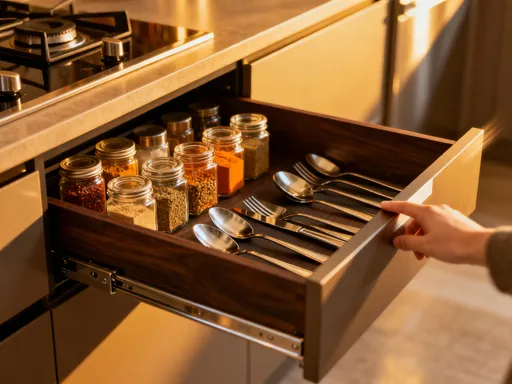
These systems use quiet sensors, low-energy motors, and intuitive design to make everyday tasks easier—without demanding anything in return. For example, some smart drawers now come with built-in labeling systems that sync with a simple app. You take a photo of the spice jar, label it “cumin,” and from then on, the drawer reminds you what’s inside with a soft light or a quiet chime. No voice assistant needed. No complicated setup. Just clarity when you need it.
And it’s not just about knowing what’s inside. It’s about how things move. Think of shelves that adjust height with a gentle push, perfect for storing everything from tall cereal boxes to short spice jars. Or closet systems that track what’s been worn and when, helping you rotate seasonal clothes without guesswork. The tech isn’t front and center. It’s in the background, doing its job so you don’t have to think about it. That’s the real promise of smart storage: not to impress, but to support. Not to replace you, but to partner with you.
What makes this new generation different is its focus on durability and ease. Batteries last for years, not months. Systems work even when the internet is down. Interfaces are simple—often just a button or a touch. There’s no need to download five apps or create another password. It’s technology that respects your time and your peace of mind. And that makes all the difference.
How Real Families Are Gaining Back Time and Calm
Let me tell you about Sarah, a mom of two in Ohio. She started with one smart drawer in her kitchen—just for spices. She was skeptical at first. “I’ve tried gadgets before,” she told me. “They never last.” But this one was different. No voice commands. No complicated app. Just a simple tap to open, and a small light that shows which spice is where. Within a week, her kids were using it too. “Now when I’m cooking, I don’t have to stop and search,” she said. “I just glance, and I know. It sounds small, but it’s one less thing on my mind.”
Or take James, a college student living at home while finishing his degree. He has a smart desk with labeled compartments for supplies, deadlines, and personal items. Each morning, a gentle light reminds him of what he needs for the day. “It’s not about being high-tech,” he said. “It’s about not forgetting things. I used to lose my charger, my notes, even my keys. Now, everything has a place, and the desk helps me remember.” For James, it’s not just about organization—it’s about confidence. He feels more in control, more prepared, and less anxious.
Then there’s Linda, a retired teacher in Oregon. At 68, she loves her independence but admits that some days, finding things takes longer than it used to. She installed a smart closet system with adjustable shelves and gentle lighting. Now, she can see everything clearly, and the shelves move with a simple touch. “I don’t have to bend or stretch,” she said. “And I don’t have to ask my daughter to help me every time I want to wear my favorite sweater.” For Linda, this isn’t about convenience—it’s about dignity. It’s about living fully, without strain.
These aren’t isolated stories. They’re part of a quiet shift—people using smart storage not to show off, but to live with more ease. The benefits go beyond saving time. They include less stress, stronger routines, and a greater sense of calm. When your home supports you, you have more energy for what matters—laughing with your kids, calling a friend, or just sitting down with a cup of tea without feeling guilty.
Building Trust: What Makes These Systems Actually Work
So what’s the secret? How do these systems avoid the pitfalls of earlier smart tech? It starts with design philosophy. Instead of prioritizing novelty, they focus on reliability. The best ones are built with long-lasting components—like lithium batteries that last five years or more, or motors designed for thousands of cycles. They don’t rely on constant internet access. Many work offline, so a Wi-Fi outage doesn’t shut down your entire system.
Another key factor is simplicity. The interface is intuitive—often just a touch, a tap, or a single button. No complex menus. No confusing settings. You don’t need to be tech-savvy to use it. My mom, who still uses a flip phone, figured out her smart pantry bin in under five minutes. “It just makes sense,” she said. That’s the goal: technology that feels natural, not foreign.
Privacy is also a top priority. These systems don’t record your voice. They don’t track your movements. They don’t send data to the cloud unless absolutely necessary. Most store information locally, so your data stays in your home. You’re not trading your privacy for convenience. You’re gaining peace of mind without compromise.
Maintenance is minimal. No software updates every other week. No need to recalibrate sensors. The systems are designed to work year after year with little to no upkeep. And when they do need service, support is straightforward—real people, clear instructions, no automated phone trees. That’s what builds trust. When you know a system will work today, tomorrow, and six months from now, you stop worrying about it. You start relying on it. And that’s when the real benefit kicks in—when you forget the tech is even there because it just works.
Getting Started Without Overwhelm
Now, you might be thinking, “This sounds great, but where do I even begin?” The good news is, you don’t need to overhaul your entire home. In fact, it’s better if you don’t. Start small. Pick one area that causes daily frustration. Is it the junk drawer? The pantry? The entryway where shoes and coats pile up? Choose one spot—just one—and see how a smart solution can help.
For example, try a smart bin for your spices, your craft supplies, or your kids’ school papers. Many are affordable, easy to install, and don’t require permanent changes. You can test it for a few weeks. See how it feels. Involve your family. Let your kids help label the bins or choose where things go. When everyone has a say, they’re more likely to use it and keep it organized.
Another great starting point is a smart closet organizer. These often come as modular units—you can add shelves, bins, or lighting as you go. Start with one section, like your shoe rack or your winter coat storage. See how the adjustable shelves or gentle lighting improves your routine. If it helps, you can expand later. The goal isn’t perfection. It’s progress. It’s about making one part of your day a little easier, then building from there.
And don’t rush. Take your time. Try one system. Live with it. See how it fits your life. If it works, great. If not, that’s okay too. The point is to find what supports you—not to follow a trend. Technology should serve your life, not the other way around. When you start small, you build confidence. You learn what works for your family, your schedule, your home. And that makes the next step easier.
A Home That Grows With You, Not Against You
At the end of the day, a home isn’t just a place to store things. It’s where life happens. It’s where you raise your kids, host your friends, and find quiet moments after a long day. It should feel like a partner, not a problem. The best homes aren’t the ones with the most gadgets or the perfect Pinterest look. They’re the ones that help you breathe easier, move more freely, and feel more at peace.
Smart storage, at its best, isn’t about chasing the future. It’s about honoring the present. It’s about creating spaces that respect your time, your energy, and your emotional well-being. It’s about reducing the friction in your day so you can focus on what truly matters—your family, your passions, your joy.
I think about my own home now. The spice drawer that opens with a touch. The labeled bins that help my kids find their art supplies. The closet shelf that adjusts so I don’t have to stretch. These aren’t big changes. But together, they’ve made a big difference. I’m less stressed. I’m more present. I have more patience, more energy, more space in my mind.
That’s the quiet power of reliable smart storage. It doesn’t shout. It doesn’t demand attention. It simply helps. And in a world that often feels too fast, too loud, too much, that kind of quiet support is priceless. So maybe your home doesn’t need to be smart in the flashy sense. Maybe it just needs to be thoughtful. Maybe it just needs to keep up with you—gently, reliably, and without drama. Because when your home works with you, life feels a little lighter. And that’s a feeling worth having.