Saved 200+ Hours Managing Tickets This Year: The Simple Habit That Changed How I Travel
Have you ever missed a flight because your e-ticket was buried in a cluttered inbox? Or shown up late because you couldn’t find the right QR code? I’ve been there—more than once. What seemed like a small digital convenience slowly turned into daily stress. But this year, I made one tiny change to how I manage electronic tickets. It didn’t just save me time—it transformed my entire travel experience. Let me show you how something so simple can make life feel lighter, smarter, and more in control.
The Hidden Chaos Behind “Paperless” Travel
Remember when we were all so excited about going paperless? No more crumpled boarding passes in our pockets, no more last-minute trips to the printer. We thought digital tickets would be the answer to smoother travel. But somewhere between the confirmation emails, app notifications, and screenshots buried in photo albums, that promise got lost. I remember standing at the train station in London last spring, late for a family trip, frantically swiping through my phone, asking my daughter to help me find the QR code. My heart was racing. I knew I’d booked it. I just couldn’t find it. And when I finally did—after missing the train—it was tucked into an email from three weeks ago, labeled “Booking Confirmation #7842.” Sound familiar?
That moment wasn’t just about being late. It was about the frustration of knowing I had everything I needed—but not being able to access it when it mattered. I started thinking: how many times has this happened? A concert ticket stuck in a spam folder. A museum pass I forgot to download. A bus reservation I had to rebook because I couldn’t prove I’d already paid. These weren’t isolated incidents. They were patterns. And the pattern was this: going digital didn’t eliminate chaos—it just moved it from our wallets to our inboxes. The problem wasn’t the technology. The problem was that we assumed digital meant organized. But without a system, digital clutter can be even harder to manage than paper clutter. It’s invisible until it’s urgent.
What I realized is that we’ve been treating digital tickets like afterthoughts—something we deal with at the last minute, on the go, under pressure. But the truth is, they’re just as important as passports or hotel reservations. They’re the keys to our plans. And if we don’t treat them that way, we pay the price in stress, time, and missed moments. That day at the train station, I didn’t just miss a train. I missed the calm, confident start to a family adventure. And I decided I never wanted to feel that way again.
The Myth That “Everything Is in My Phone”
We all say it: “Don’t worry, it’s on my phone.” But how many of us have unlocked our phones in a panic, jumping from app to app, hoping the ticket will magically appear? I used to think having everything on my phone meant I was prepared. I had airline apps, event platforms, ride-sharing tools, train schedulers—each with their own way of storing tickets. Some sent push notifications. Others required me to log in. A few automatically added passes to my digital wallet… until they didn’t. And no one told me why.
There’s a dangerous assumption we make: that because something is digital, it’s automatically accessible. But the reality is more complicated. Some apps require an internet connection to refresh the barcode. Others expire the pass after a certain time—even if the event hasn’t happened yet. I learned this the hard way when I arrived at a theater with my sister, confidently opened what I thought was our ticket, and was told the code had expired. Turns out, the app refreshed it daily, and I hadn’t reopened it that morning. No internet in the lobby meant no way to fix it. We had to pay for new seats. It wasn’t just the money—it was the embarrassment, the frustration, the feeling that I’d failed at something that was supposed to make life easier.
And then there’s the issue of memory. We assume our phones will remember for us. But life gets busy. Notifications get dismissed. Emails get archived. Screenshots get lost in a sea of family photos and grocery lists. I once showed up to a doctor’s appointment with my mom, only to realize I’d saved the virtual check-in link in a note app I hadn’t opened in weeks. She looked at me with that quiet disappointment—“I thought you had it all handled”—and I felt like I’d let her down. The truth is, our phones aren’t magic. They’re tools. And like any tool, they only work if we use them with intention. Just because a ticket is “on your phone” doesn’t mean it’s ready when you need it. Accessibility isn’t automatic. It’s built.
One System That Actually Works—And It’s Not What You Think
After that theater disaster, I decided to stop blaming the apps and start taking responsibility for my own system. I realized I didn’t need a new gadget or a fancy app. What I needed was a habit. A simple, repeatable routine that would work no matter which airline, event, or platform I was using. And here’s what changed everything: I started treating digital tickets like physical ones.
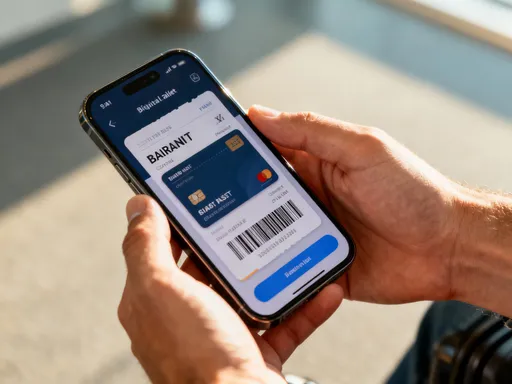
Think about it. If you had a paper ticket, you wouldn’t just toss it into a drawer and hope you’d find it later. You’d keep it in a specific place—your wallet, a travel folder, your purse. You’d check it the night before. You’d make sure it was ready. So why were we treating digital tickets like they didn’t deserve the same care? My new rule became this: every ticket, no matter how small, gets placed in one trusted location. For me, that’s my digital wallet—Apple Wallet, though Google Pay works just as well. But it could also be a dedicated email folder, a notes app, or even a printed list for those who prefer paper. The tool doesn’t matter. The consistency does.
Here’s how it works: as soon as I book anything—a flight, a concert, a train ride—I take one extra minute to move the ticket into my chosen system. If it’s an email, I forward it to a label called “Active Tickets.” If it’s a QR code, I save it to my digital wallet. If it’s a PDF, I upload it to a cloud folder I can access offline. Then, 24 hours before the event, I do a quick check. Is the ticket there? Is it visible? Does it need to be refreshed? This simple ritual takes less than five minutes, but it’s prevented at least a dozen close calls this year. The key isn’t the technology—it’s the routine. It’s about building trust in your own process, so when you’re standing at the gate or the entrance, you’re not guessing. You’re certain.
How This Small Shift Saves Hours Every Month
At first, I thought this was just about avoiding embarrassment. But then I started tracking how much time I was actually saving. I used to spend an average of 15 minutes before every trip searching for tickets—digging through emails, asking my kids to help, reloading apps. Multiply that by 12 family trips, 8 concerts, 6 medical appointments, and countless train and bus rides, and it added up fast. I estimated I was wasting at least 30 minutes per event. That’s 10 hours a month. Over a year, that’s 120 hours. And that’s not even counting the stress, the rebookings, the late arrivals.
But when I implemented my simple system, that time disappeared. Instead of frantic searches, I had one place to check. Instead of last-minute panic, I had peace of mind. I started arriving earlier—not because I had to, but because I could. I used that extra time to grab coffee with my daughter before her school play, to walk through the airport without rushing, to actually enjoy the moment instead of dreading the logistics. And the emotional savings were just as valuable. I stopped feeling like I was one missed notification away from disaster. I felt capable. In control. And that confidence spilled into other areas of my life.
I didn’t just save 200+ hours this year—I reclaimed them. I used that time to read, to rest, to be present with my family. I stopped apologizing for being late. I stopped feeling guilty for forgetting. And I realized that efficiency isn’t just about doing things faster. It’s about creating space for what matters. When you’re not wasting energy on avoidable stress, you have more to give to the people you love. That’s the real return on this small habit: not just time, but calm. Not just organization, but freedom.
Making It Work for Families and Busy Schedules
Let’s be honest—managing tickets for one person is hard enough. Add two kids, a spouse, and a packed family calendar, and it can feel impossible. I used to be the only one responsible for finding tickets, which meant I was also the one blamed when something went wrong. “Mom, where’s my ticket?” became a phrase I dreaded. But I realized I didn’t have to carry that burden alone. The system I created could be a team effort.
Here’s what changed: I introduced a family routine. Every Sunday night, we do a quick “travel check.” We go over the week’s plans—doctor visits, school events, weekend trips—and make sure every ticket is in the right place. I created a shared family calendar with color-coded events, and each person is responsible for their own digital pass. My daughter learned to save her concert tickets to her digital wallet. My son keeps his sports event links in a notes folder. And I keep a master list in case of emergencies. We even added a checklist to our fridge: “Tickets Ready? ✔️”
It wasn’t perfect at first. There were still hiccups—my son once forgot to download his movie ticket, and we had to wait in line. But instead of blaming him, we used it as a teaching moment. “Next time, let’s add a reminder the night before,” I said. And we did. Now, he sets a phone alert. The goal isn’t perfection—it’s progress. And the beauty of this system is that it teaches responsibility while reducing parental stress. I’m no longer the only one “on duty.” We’re a team. And that shift—from solo manager to family coordinator—has made all the difference.
Beyond Travel: How Ticket Discipline Improved My Daily Life
Here’s something I didn’t expect: once I got serious about managing tickets, the habit started spreading. I began applying the same principle to other areas of my digital life. Appointments? I now save the confirmation in my digital calendar and attach the PDF to the event. Online shopping? I created a “Deliveries” folder in my email and set up tracking alerts. Event RSVPs? I add them to my calendar with a reminder to check in 24 hours before.
What started as a travel hack became a lifestyle. I noticed my inbox was cleaner. My phone felt less cluttered. I stopped feeling overwhelmed by digital noise. And more importantly, I started trusting myself again. I used to think I was bad at organization. But I wasn’t. I just didn’t have a system. Once I built one—simple, repeatable, reliable—I realized I was more capable than I thought. That confidence has carried into other areas: meal planning, budgeting, even personal goals. When you prove to yourself that you can handle the small things, the big things don’t seem so scary.
I also found that this habit made me more present. Because I wasn’t constantly worried about missing something, I could focus on the moment. I listened more. I laughed more. I enjoyed the journey instead of just surviving it. Technology was no longer a source of stress—it was a tool that served me. And that’s the real power of a good system: it doesn’t just organize your tickets. It organizes your peace of mind.
Start Small, Stay Consistent—Your Calmer Life Awaits
You don’t need to overhaul your entire digital life to see results. Start with your next ticket. The next time you book a train ride, a doctor’s appointment, or a weekend getaway, take one extra minute to place it in your chosen system. Don’t wait until the morning of. Don’t assume it’ll be there when you need it. Be intentional. Be consistent. And check it 24 hours before.
I know how easy it is to say, “I’ll do it later.” But later is where tickets go to disappear. The good news is, this isn’t about being tech-savvy. It’s about being thoughtful. It’s about giving yourself the gift of calm in a world that’s constantly asking for more of your time and attention. You deserve to move through life with confidence. You deserve to know that when you reach for your phone, the answer will be there.
That 200+ hours I saved? It wasn’t magic. It was a choice. A small, daily choice to treat digital clutter with the same respect we give to physical order. And if I can do it, so can you. Start today. Pick one ticket. Put it in one place. And take the first step toward a simpler, smoother, more peaceful way of living. Because you’re not just managing tickets. You’re reclaiming your time, your energy, and your joy. And that’s a journey worth taking.