Tired of Missing Your Kid’s School Events? This Map App Keeps Your Family in Sync
Ever missed a school pickup, arrived late to a birthday party, or double-booked the car without realizing it? You’re not alone. Modern life pulls us in a dozen directions at once—work, kids’ schedules, grocery runs, and everything in between. But what if your map app could do more than just give directions? What if it quietly helped your family stay connected, on time, and less stressed? I discovered one that doesn’t just guide my drive—it helps me show up better for the people I love. It’s not about fancy tech or complicated setups. It’s about using tools we already have in smarter, more meaningful ways. And honestly, it’s changed how we move through our days.
The Chaos of Family Life on the Go
Let’s be real—managing a family schedule can feel like conducting an orchestra with no sheet music. One day, you’re juggling your morning meeting, your son’s dentist appointment, your daughter’s soccer practice, and a grocery run that somehow got pushed to the last minute. The next thing you know, you’re driving in circles, late for pickup, and your phone is blowing up with texts from the school office. I’ve been there more times than I’d like to admit. I once showed up an hour early to my daughter’s school play because I misread the calendar invite. I sat in the parking lot, sipping cold coffee, feeling both ridiculous and guilty. I wanted to be there for her—but the logistics made me feel like I was failing before the curtain even rose.
And it’s not just about being late. It’s the mental load—the constant background hum of remembering who needs what, where, and when. Did your husband drop off the library books? Did your teenager remember her permission slip? Is the minivan even available for the afternoon run? These small questions pile up until they become a full-blown stress storm. We’re not asking for perfection—we just want to be present, reliable, and a little less frazzled. The truth is, most of us are doing our best with tools that weren’t built for family life. Calendars don’t talk to each other. Texts get buried. And maps? They used to be just about directions. But what if they could do more? What if they could actually help us keep the family ship from capsizing?
From Directions to Daily Support: How Map Apps Have Evolved
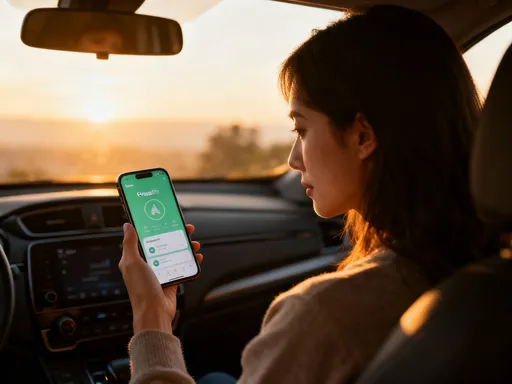
Remember when map apps were just for avoiding traffic or finding the nearest gas station? I do. Back then, I’d punch in an address, follow the robotic voice, and hope for the best. But over the past few years, something quietly shifted. These apps stopped being just navigation tools and started becoming part of our daily rhythm. They began anticipating our needs. Now, when I unlock my phone in the morning, my map app already knows I’m likely heading to school drop-off, then work, then picking up the kids. It shows me traffic conditions before I even ask. It suggests leaving five minutes earlier because of an accident on the highway—something I wouldn’t have known until I was already stuck.
But the real game-changer? It started helping me coordinate with my family. One rainy Tuesday, I was prepping dinner and wondering when my husband would get home. Instead of texting “Where are you?” for the third time, I just opened the app. There he was—his little moving dot inching down the highway. I could see he was only 12 minutes away. So I waited to start the rice. No back-and-forth. No irritation. Just calm, quiet awareness. That moment hit me: this app wasn’t just guiding his drive—it was helping me manage our home. It’s not flashy, but it’s powerful. These small, seamless updates—real-time traffic, predictive routes, automatic rerouting—are like invisible helpers, smoothing out the rough edges of our day. And the best part? They work in the background, so I can focus on what really matters—being present with my family.
Staying Connected Without Constant Texting
How many times a day do you text someone in your family just to check in? “Did you leave work?” “Are you on your way?” “Where’s the car?” I used to do it all the time. My message threads looked like a never-ending ping-pong match of location updates. It wasn’t that I didn’t trust anyone—it was that I needed to know. Was my son still at baseball practice? Was my daughter’s friend’s house close enough to walk? Without clear info, my imagination would run wild. And let’s be honest, that kind of constant messaging can feel exhausting—for everyone.
Then I discovered live location sharing in my map app. At first, I was hesitant. It felt a little like Big Brother. But when I tried it with my husband, it changed everything. We shared locations for just a few hours each day—mainly during school runs and evening pickups. Suddenly, I didn’t need to text. I could see when he left the office. I could tell when he was five minutes from the school gate. And when my son’s school bus started showing up as a moving icon on the map? That was a revelation. Now, I get a silent alert when the bus is two stops away. No panic. No last-minute scrambling. Just peace of mind.
And here’s the key—it’s not about surveillance. It’s about trust and timing. We set boundaries. We only share when it’s useful. My teenager can choose when to share her location—like when she’s coming home from dance class or meeting a friend at the mall. It’s not about control. It’s about care. And honestly, it’s brought us closer. We’re not nagging each other for updates. We’re just… in sync. The app handles the logistics so we can focus on the connection.
Planning Family Routines with Smart Routes
Running errands with kids used to feel like a high-stakes puzzle. Should we hit the pharmacy before or after soccer? Can we squeeze in the grocery store without making everyone hangry? I’d spend ten minutes planning the most efficient route—only to forget one stop and have to double back. It was frustrating, time-consuming, and honestly, it made me dread weekends.
Then I started using the route optimization feature in my map app. It’s simple: I plug in all the stops—school, pharmacy, grocery store, dry cleaner—and the app rearranges them in the most efficient order. No more backtracking. No more wasted gas. Last Saturday, I had five stops across town. The app suggested a sequence I never would have thought of—starting with the farthest point and looping back. I followed it, and guess what? I finished 45 minutes earlier than usual. That’s almost an entire hour I got back—time I spent drinking tea on the porch while the kids played in the yard.
What I love most is how it reduces decision fatigue. I don’t have to mentally map out the day. The app does it for me. And it adjusts on the fly. If I add a last-minute stop—like picking up cupcakes for a birthday party—it recalculates instantly. It’s not about being lazy. It’s about being smart. We have enough to think about as parents. Letting technology handle the route planning means I can save my brainpower for bedtime stories and deep conversations. Plus, my kids actually enjoy the car rides more now. No more “Are we there yet?” because we’re getting everywhere faster.
Helping Kids Gain Independence (Without Losing Peace of Mind)
As much as we want our kids to grow up and become independent, it’s hard to let go. I remember the first time my daughter walked home from dance class—just six blocks, but it felt like a mile. I stood at the window, peeking out every few minutes, wondering if she was safe. I didn’t want to call and make her feel like I didn’t trust her. But I also didn’t want to be completely in the dark.
That’s when I set up geofencing in the map app. I created a “safe zone” around her dance studio and our home. Now, when she leaves class, I get a quiet notification: “Leaving dance studio.” And when she arrives at our house? Another gentle ping: “Arrived home.” No calls. No texts. Just reassurance. It’s not about tracking her every move. It’s about knowing she’s safe during those in-between moments—the ones that used to keep me up at night.
And you know what? She loves it too. She feels trusted. She knows I’m not watching her location all day. But when it matters—like her first solo trip to the library or walking to a friend’s house—she shares her location with me. It’s become part of our routine. “Mom, I’m heading over to Lily’s. I’ll share my location.” It’s her way of saying, “I’ve got this, but I know you care.” That balance—freedom with support—is everything. And this small tech feature has made it possible without awkward conversations or helicopter parenting.
When Life Changes, Your Map Adapts Too
No matter how well we plan, life throws curveballs. Weather changes. Roads close. Schools cancel events last minute. I remember a winter morning when a sudden snowstorm forced early dismissal. I had two kids at different schools, and both needed pickup—on different sides of town. I was in a meeting, stressed, trying to rearrange everything. But then my map app did something incredible. It automatically updated the pickup times based on the school’s alert and adjusted the routes in real time. It even suggested which kid to pick up first based on traffic and closeness.
I didn’t have to do a thing. I just followed the new route. And for the first time in a chaotic day, I didn’t feel overwhelmed. The app didn’t make the decisions for me—it just removed the friction. That’s the beauty of modern tools: they don’t replace parenting. They support it. They handle the details so we can focus on the big stuff—like making sure our kids feel safe and cared for, even when plans fall apart.
These adaptive features—real-time rerouting, automatic rescheduling, weather alerts—are like having a co-pilot. They don’t take over. They just help us navigate the unexpected with more grace. And in a world where so much feels out of our control, that small sense of support can make a huge difference. It’s not about relying on technology blindly. It’s about using it wisely—so we can stay calm, connected, and in control when it matters most.
Making the Most of Shared Journeys
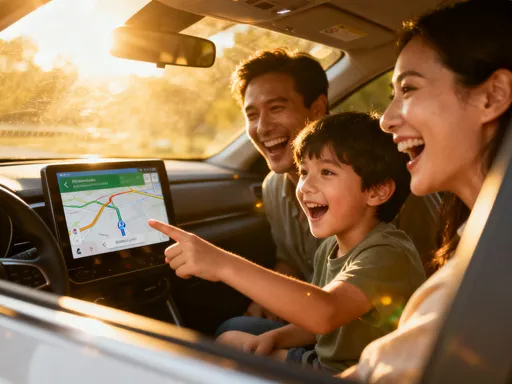
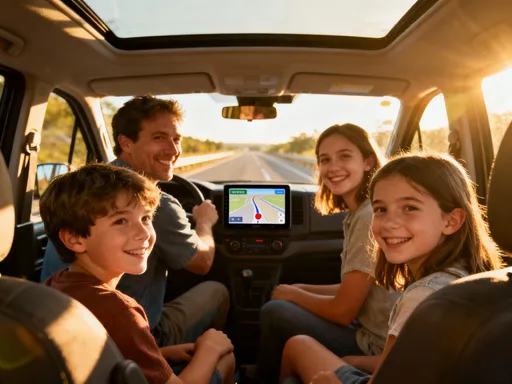
At the end of the day, it’s not just about getting from place to place. It’s about what happens in between. When we’re not stressed about being late, when we’re not frantically checking our phones, we can actually enjoy the ride. I’ve noticed something beautiful since using the map app more intentionally: we talk more in the car. My kids aren’t glued to their tablets. We’re not rushing or arguing about timing. Instead, we’re laughing, sharing stories, even singing along to the radio.
Those moments—small, quiet, unplanned—are where real family life happens. And I realize now that the right tools don’t just save time. They give us back presence. They create space for connection, for breath, for joy. The map app didn’t change my family. But it changed how we move through the world together. It reduced the noise, the stress, the little misunderstandings that used to pile up. And in doing so, it helped us show up for each other—on time, with hearts open.
So if you’re tired of missing school events, if you’re tired of the constant back-and-forth, if you just want to feel a little more in sync—try this. Open your map app. Explore the features. Share locations with your partner. Set up safe zones for your kids. Let it help you plan your routes. You don’t need to become a tech expert. You just need to let a tool you already use do a little more. Because when technology works quietly in the background, it doesn’t take over your life. It makes room for what really matters—being there, fully, for the people you love.